
Rhinoplasty is one of the most requested aesthetic procedures. Major defects, such as a large hump or a deviated septum, certainly require surgery. Minor defects, such as a small hump, a too marked nasofrontal angle or a too acute nasolabial angle, can instead be treated with a technique called non-surgical rhinoplasty, or nose filler, which involves injecting hyaluronic acid into the areas to be corrected.
The treatment usually requires no anaesthesia, partly because the fillers already contain lidocaine, which reduces the experience to easily tolerable discomfort. For more sensitive patients an anaesthetic cream can be applied half an hour beforehand.
Non-surgical rhinoplasty can also be used after surgical rhinoplasty when the result is not fully satisfactory, or after injuries that once required surgical correction. It is an advanced treatment: whoever performs it must have perfect knowledge of the anatomy, so it is best to turn to a plastic surgeon. Because the treated area is relatively firm, the hyaluronic acid lasts a long time.
Before and after
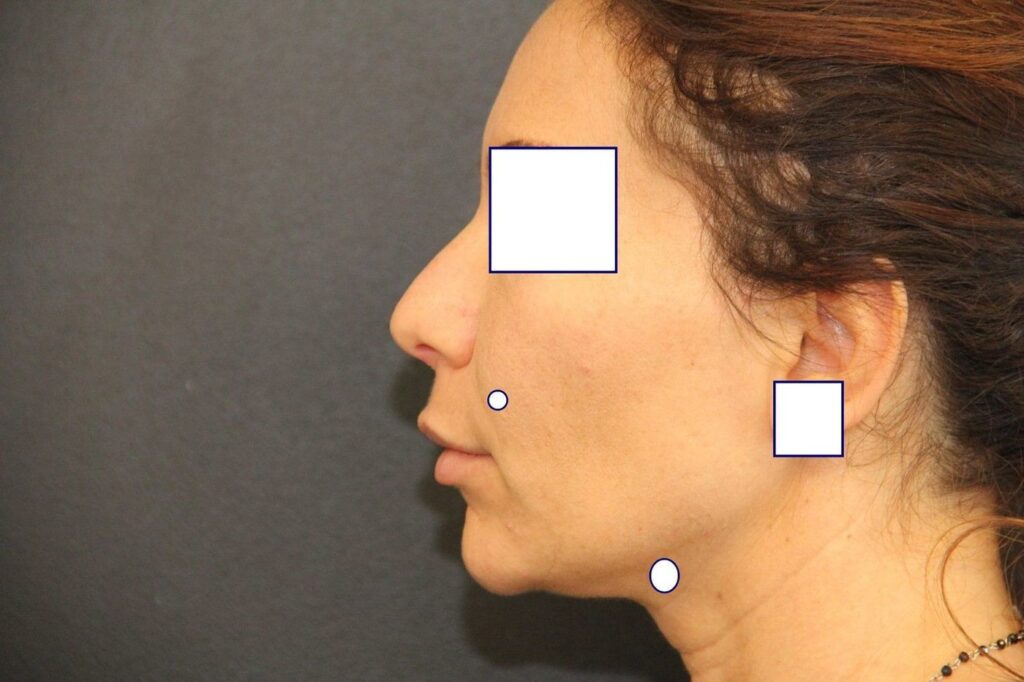
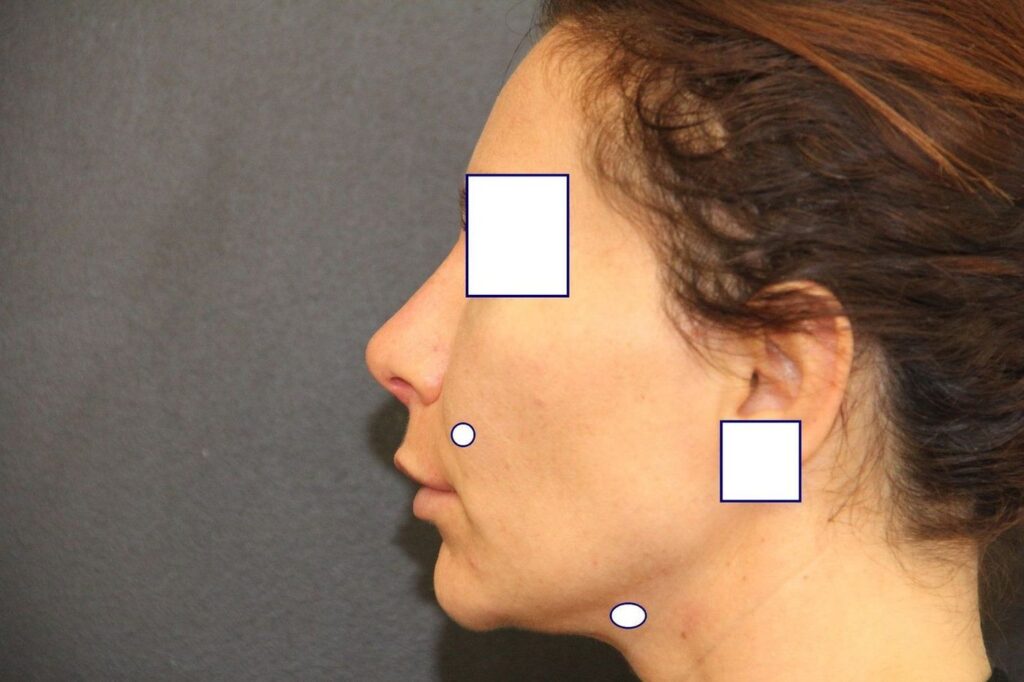
Non-surgical rhinoplasty.
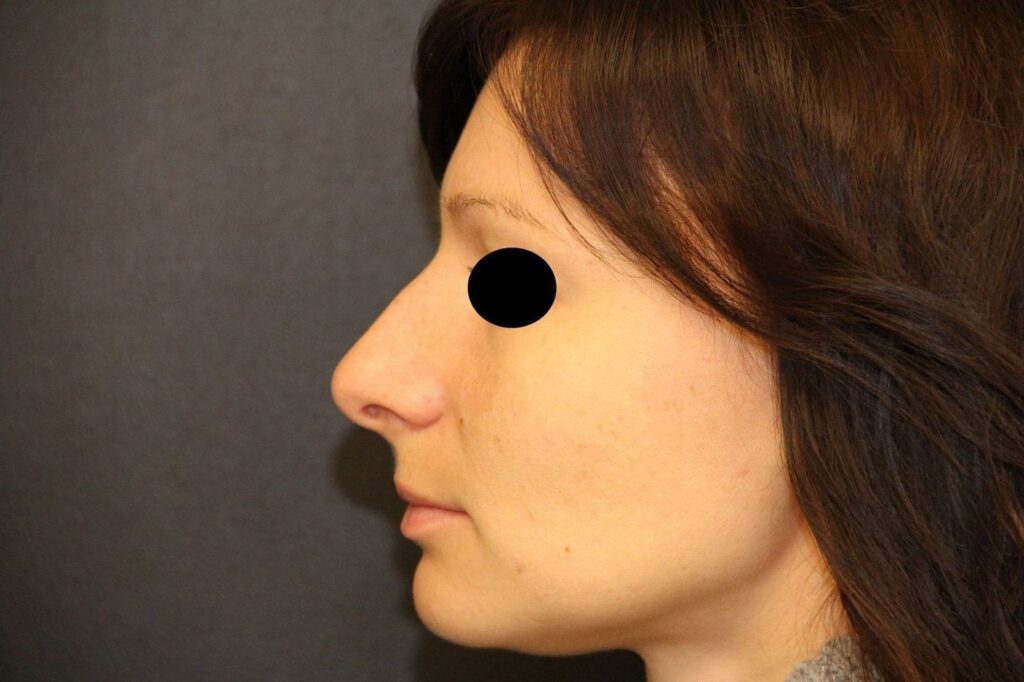
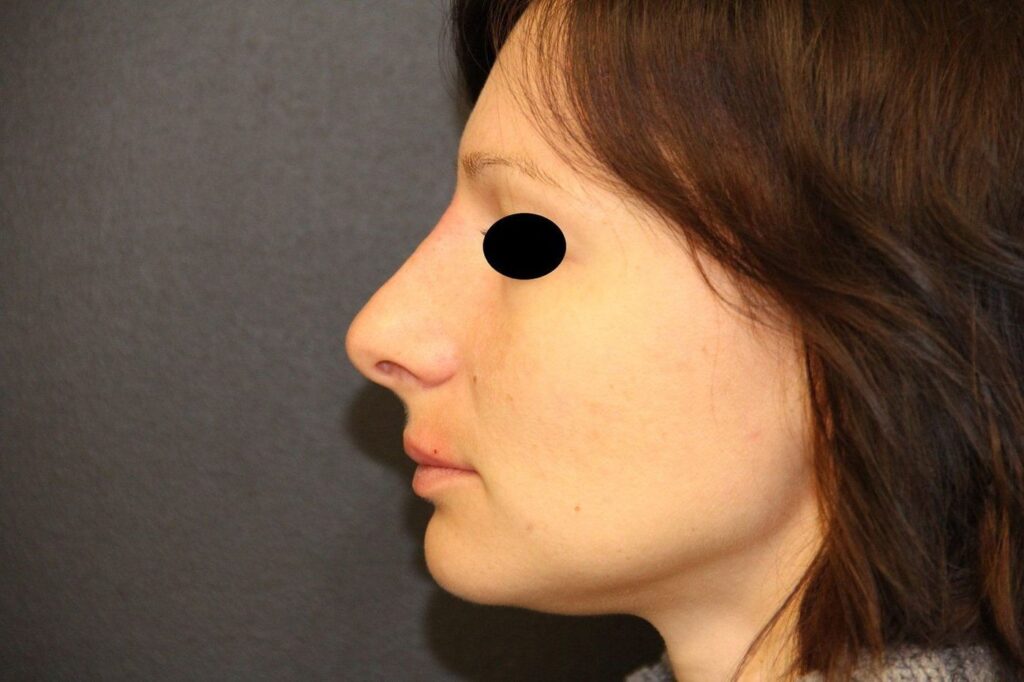
Non-surgical rhinoplasty.