
Breast augmentation is one of the three most frequently performed aesthetic surgery procedures, and the number of operations has grown steadily in recent years. It is one of the procedures Dr Brunelli performs most often.
Breast augmentation improves the shape and appearance of the breasts and can help a woman feel more confident. Quality results require sound judgement, impeccable surgical technique and great attention to detail for each individual patient.
Choosing the implants
There is a wide variety of implants. They differ in:
- shape: round or anatomical (teardrop)
- volume: expressed in cubic centimetres
- projection: for the same volume, there are low-profile and high-profile implants
- content: in Italy implants are almost always filled with cohesive silicone gel.
During the first consultation, Dr Brunelli will choose the type of implant together with you, based on your wishes, a number of measurements and your build. After taking the measurements he will suggest some trial sizers to place in a special bra: you will then put on a top and see immediately what the result will look like.
Incisions
There are three main access routes for placing the implants, each with advantages and disadvantages:
- axillary incision: through a small incision in the armpit
- periareolar incision: around the areola
- inframammary incision: under the breast, centred in the fold.
Dr Brunelli will take your wishes into account and guide you towards the most suitable choice.
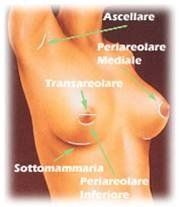
Whichever incision is chosen, the basic procedure is essentially the same: Dr Brunelli creates a pocket for the implants and places them beneath the gland or beneath the pectoral muscle.
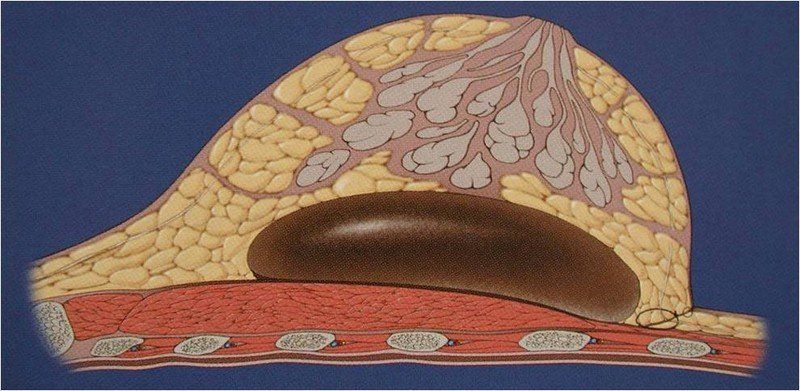
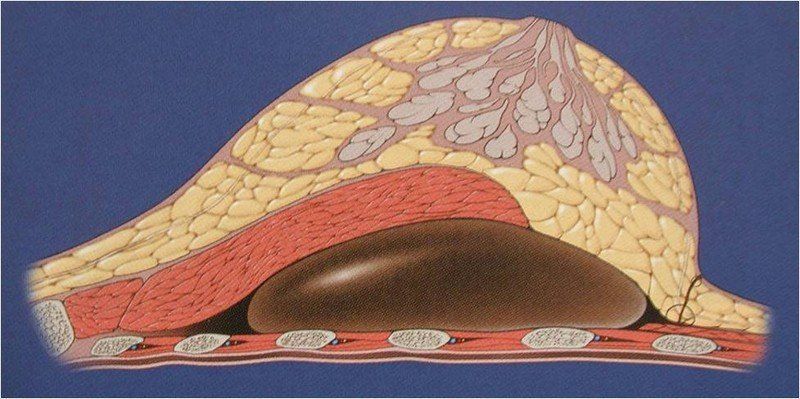
The operation
The operation can be performed under local anaesthesia with deep sedation and usually takes less than two hours. It can be done as a day case; for patients coming from far away, Dr Brunelli suggests spending one night in the clinic.
Recovery
At the end of the operation a light compression dressing may be applied. After a few days it is replaced by a front-fastening sports bra, to be worn for three weeks. Stitches are usually removed after about ten days.
A period of rest avoiding strain on the arms is advisable, especially when the implants are placed under the muscle. Normal daily activities are resumed gradually; physical exercise can be resumed after one month.
Before and after
Frequently asked questions
How is the right implant chosen?
During the consultation, after a few measurements, trial implants are placed in a special bra so that you can see the effect straight away. The choice takes into account your wishes and your build: shape (round or anatomical), volume and projection. The doctor will guide you through the choice, suggesting the right size based on your physical characteristics. Very large implants are best avoided, especially when there is no safety margin.
Where is the incision made?
There are three options: in the armpit, around the areola, or under the breast in the fold. Each has advantages and disadvantages, which are discussed together during the consultation.
What anaesthesia is used? Is an overnight stay needed?
Usually general anaesthesia, although local anaesthesia with deep sedation is also possible; the operation generally takes less than two hours. In theory you can go home the same day, but it is safer to spend the first night in the clinic, especially if you live far away.
When can I return to work and sport?
Daily activities are resumed gradually, avoiding strain on the arms at first. A sports bra is worn for at least three weeks, and stitches are removed after about ten days. Physical exercise can be resumed after one month.
Do implants need to be replaced after a certain number of years?
Yes. All implants are highly likely to rupture sooner or later, even though they are designed to last many years. However, no precise expiry date can be given, because various factors can play a part (for example accidents, injuries or extreme sports). It is important to have annual check-ups with your surgeon and follow-up ultrasound scans and mammograms, plus an MRI scan in doubtful cases. If a rupture is suspected, the surgeon will practically be obliged to propose revision surgery. Many latest-generation implants come with a warranty against rupture and/or capsular contracture; in these cases the implants are replaced free of charge, but the cost of the operation is borne by the patient, as the surgeon is not responsible for implant rupture.
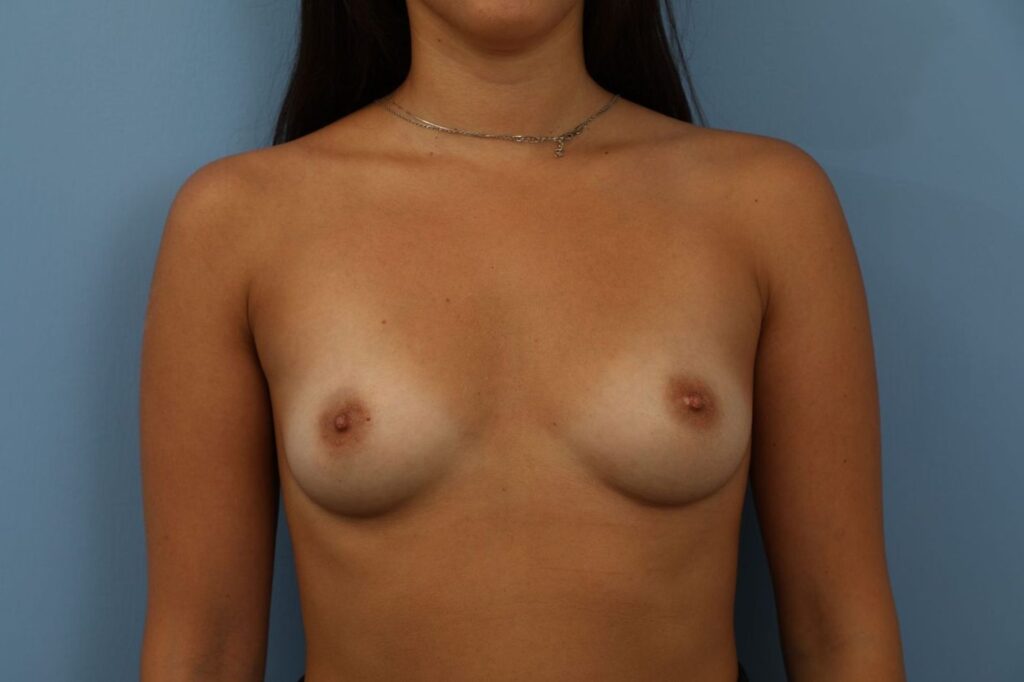
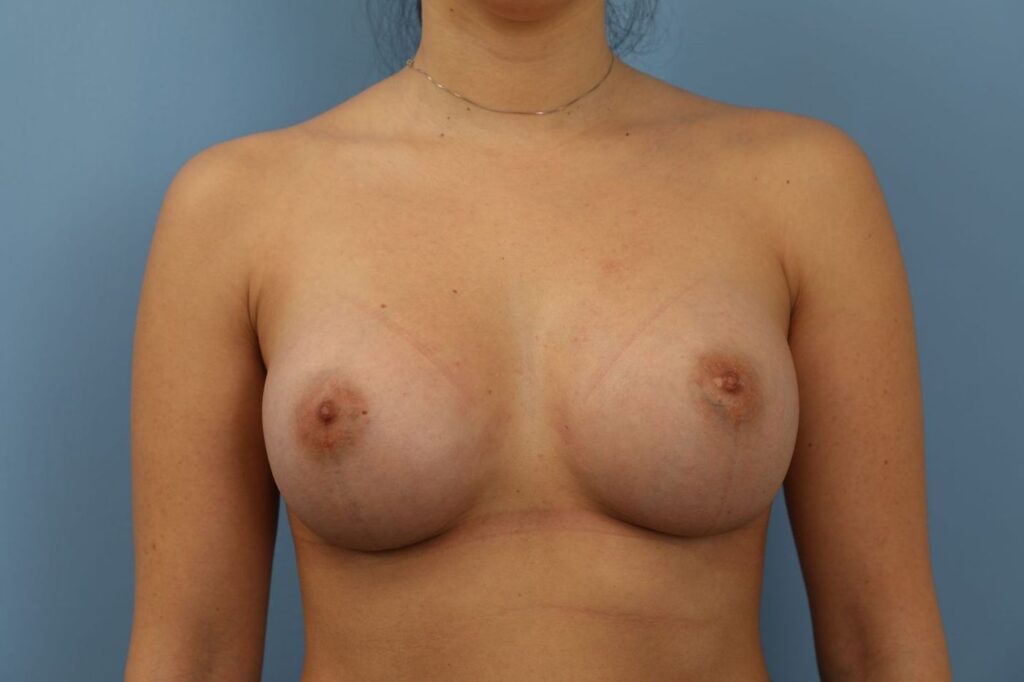
Subglandular breast augmentation with round GCA Perle 340 cc implants. Three-month follow-up.
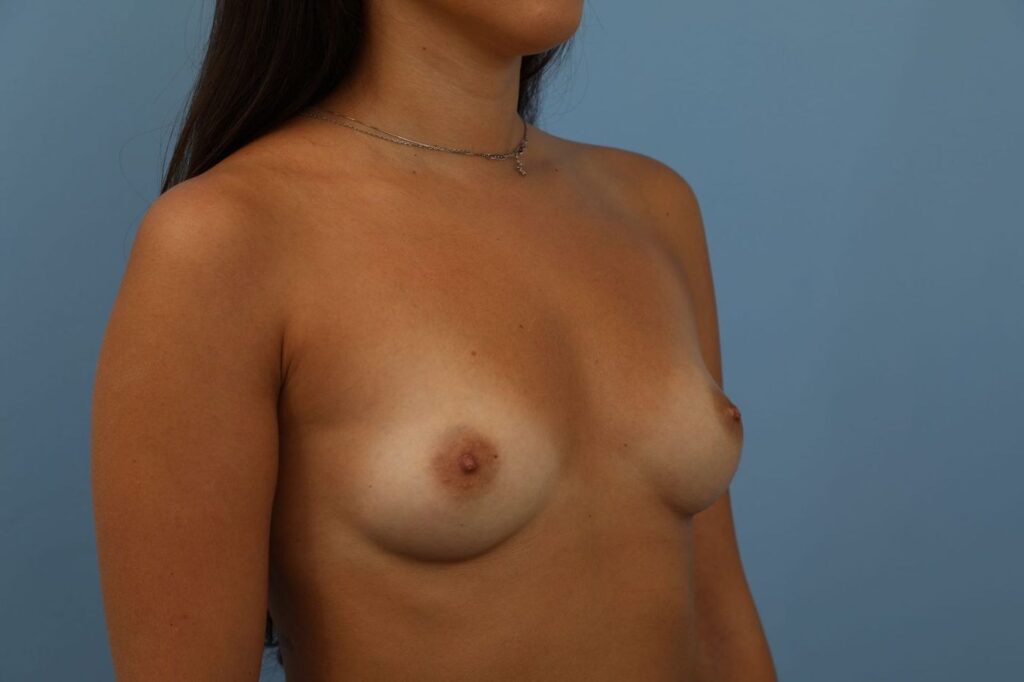
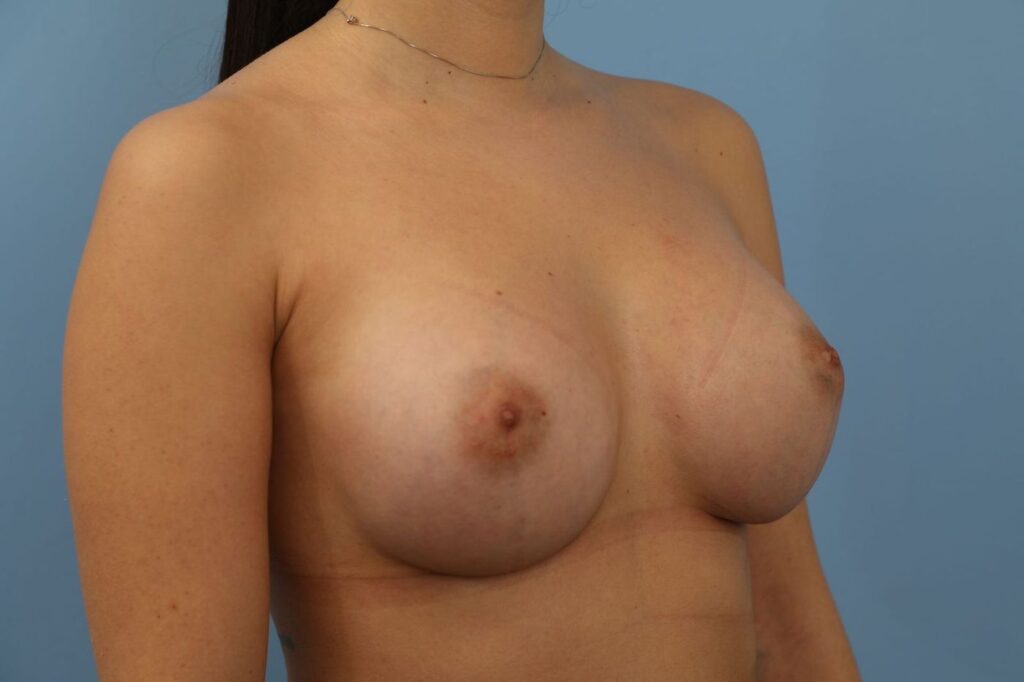
Subglandular breast augmentation with round GCA Perle 340 cc implants. Same patient as above. Three-month follow-up.
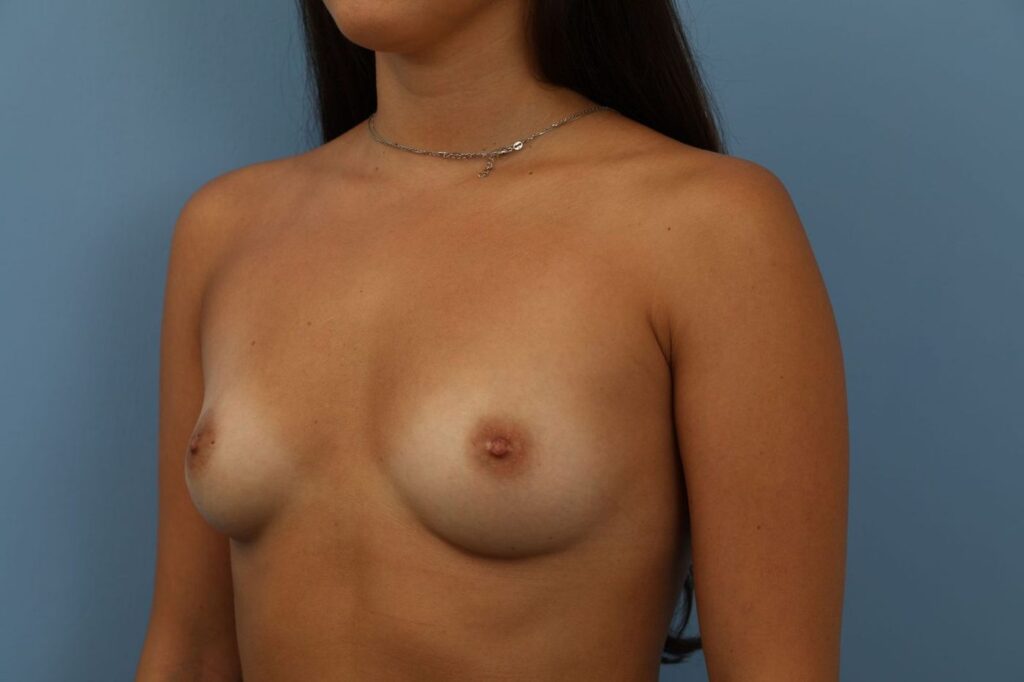
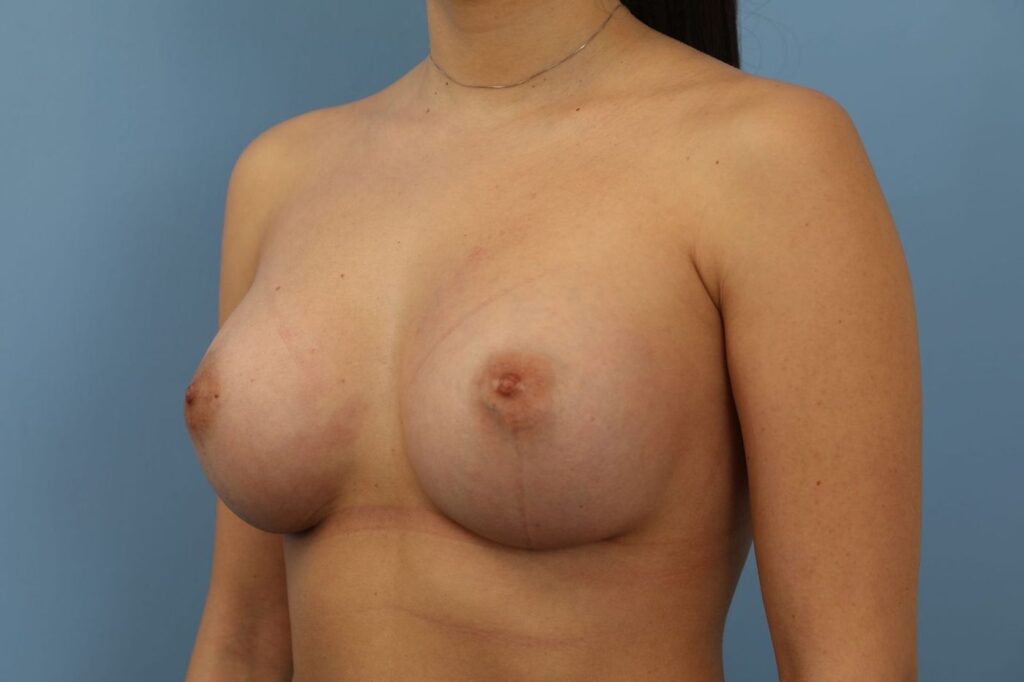
Subglandular breast augmentation with round GCA Perle 340 cc implants. Same patient as above. Three-month follow-up.
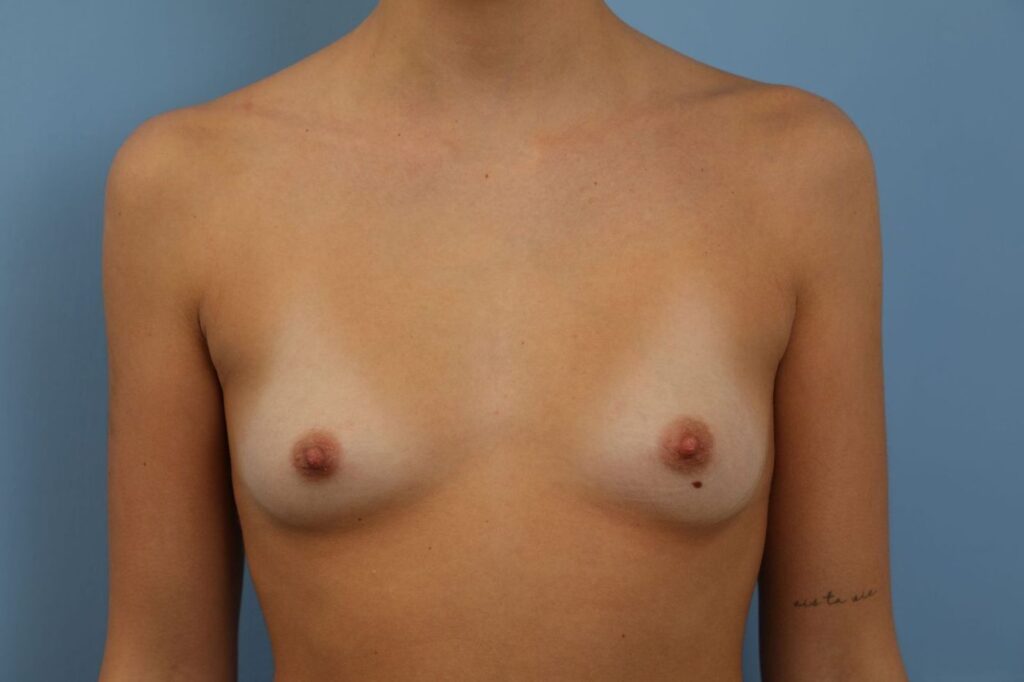
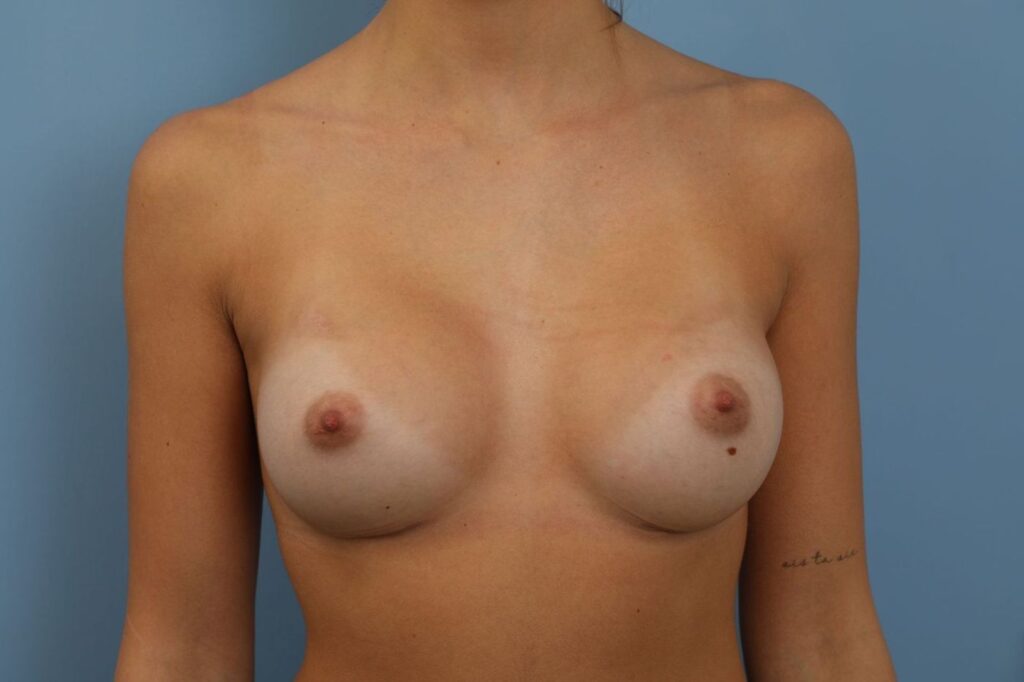
Submuscular breast augmentation, round GCA 365 cc implants. Six-month follow-up.
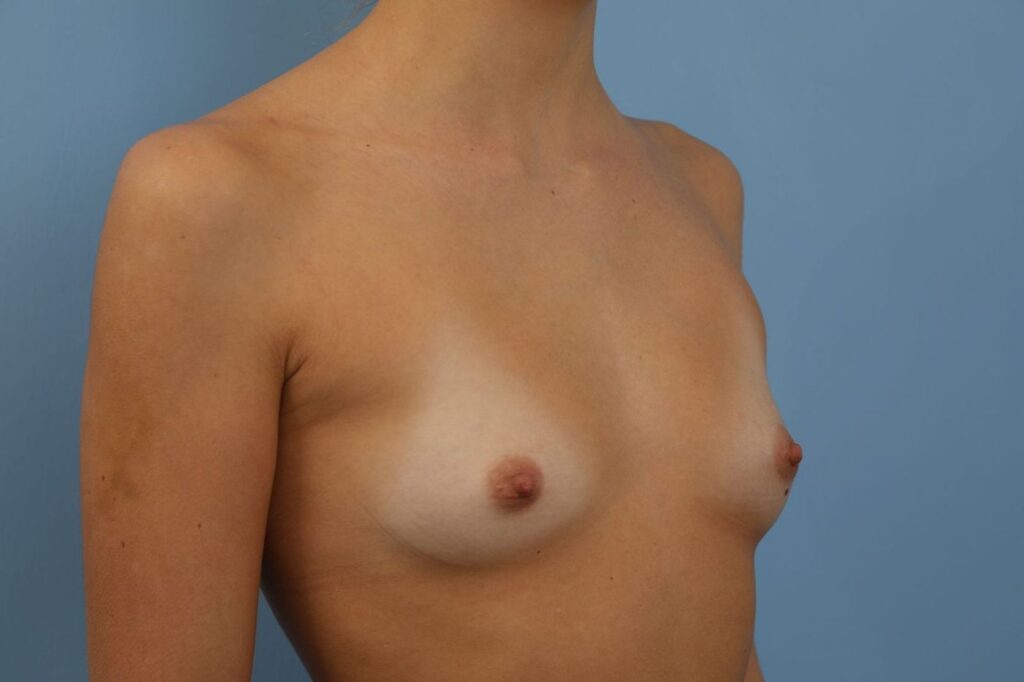
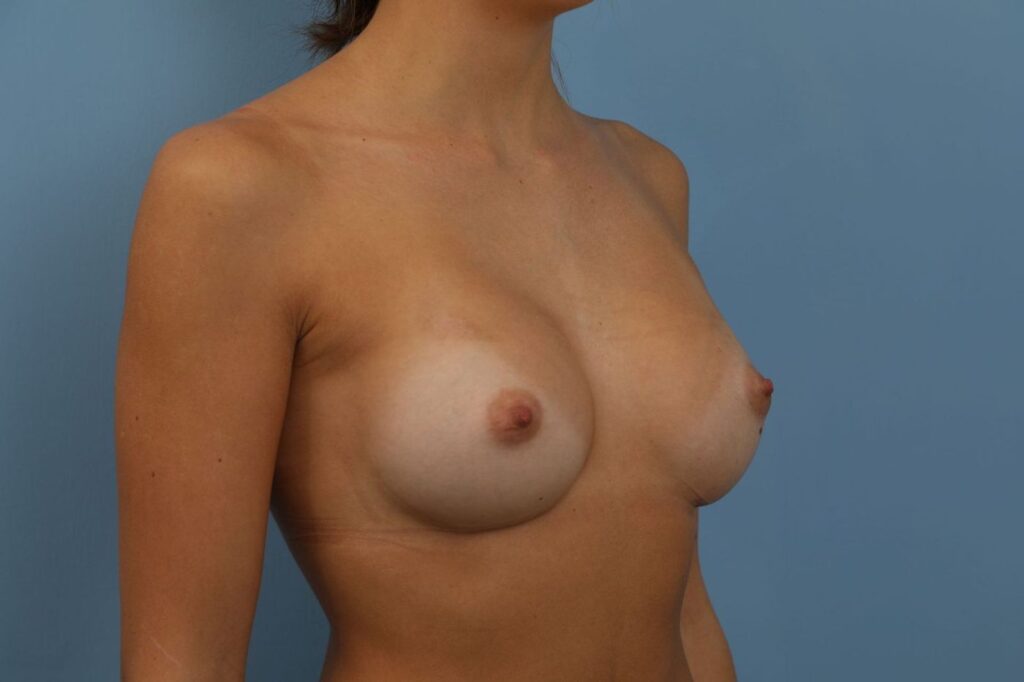
Submuscular breast augmentation, round GCA 365 cc implants. Same patient as above. Six-month follow-up.
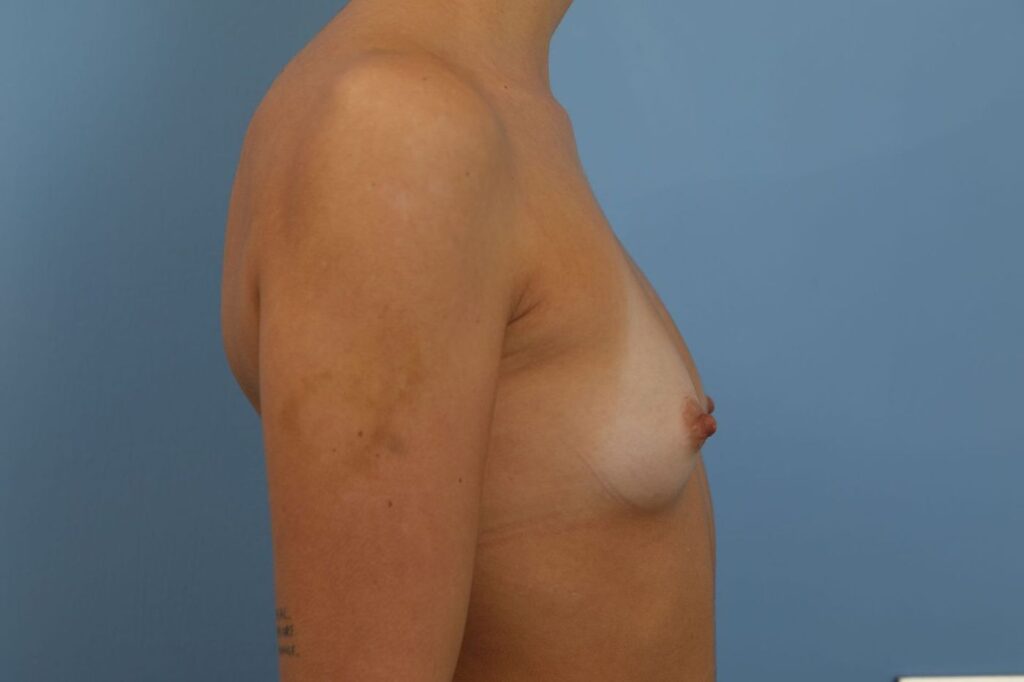
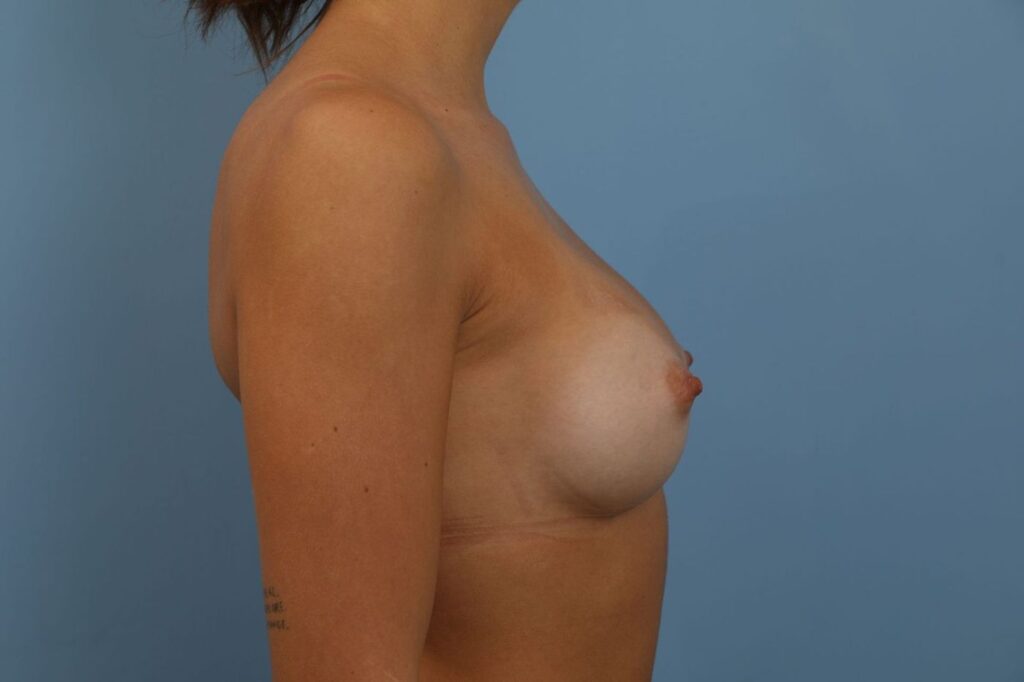
Submuscular breast augmentation, round GCA 365 cc implants. Same patient as above. Six-month follow-up.
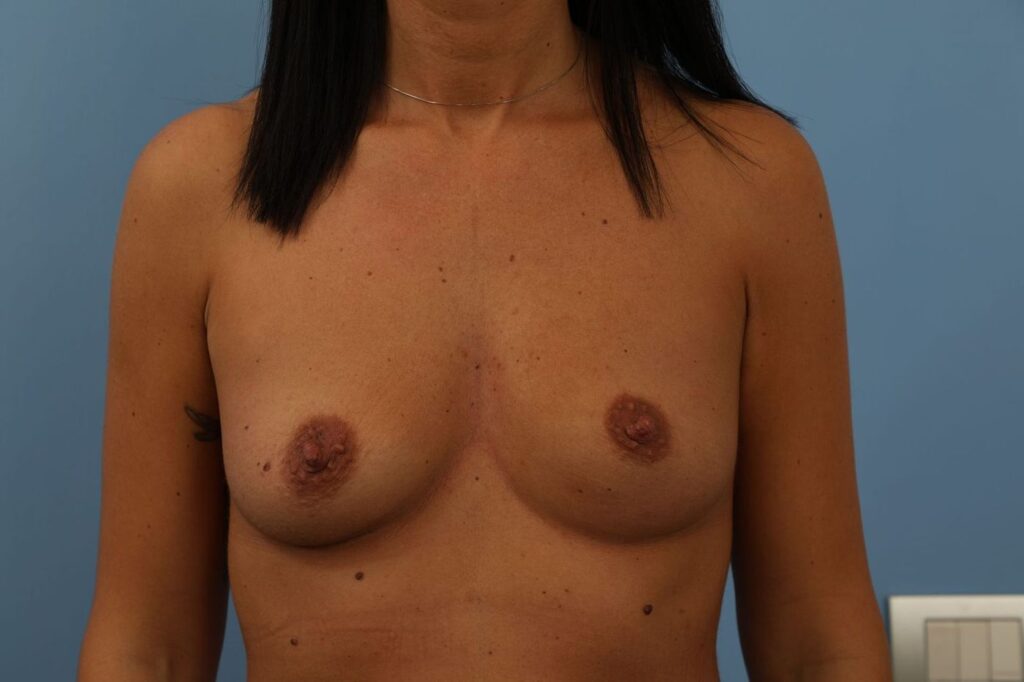
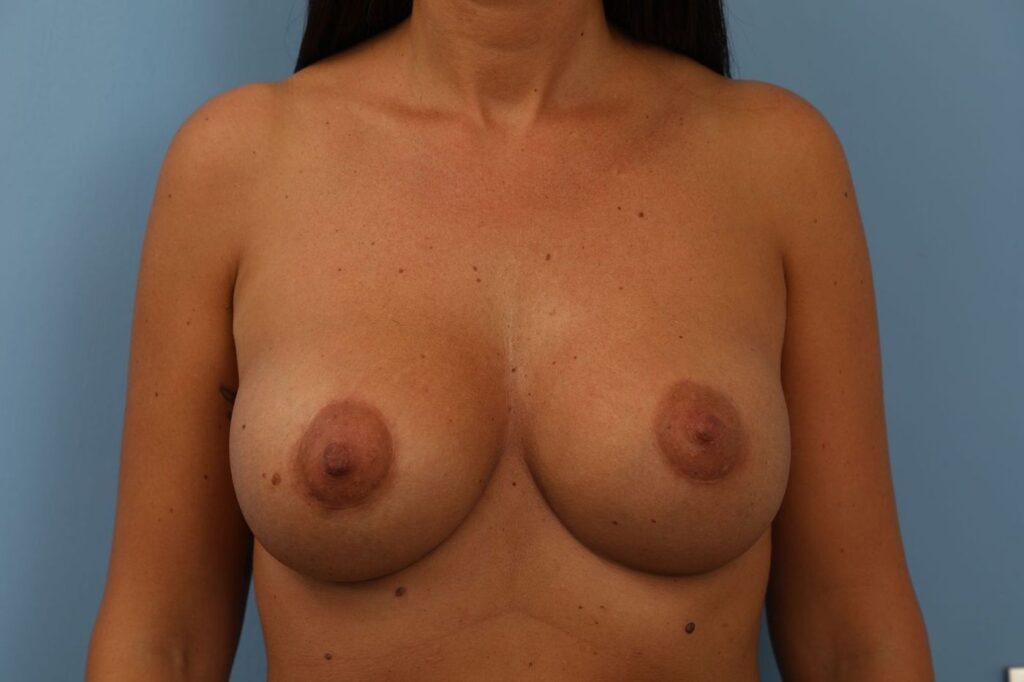
Subglandular breast augmentation with asymmetry correction, round GCA 430 cc implants. Seven-month follow-up.
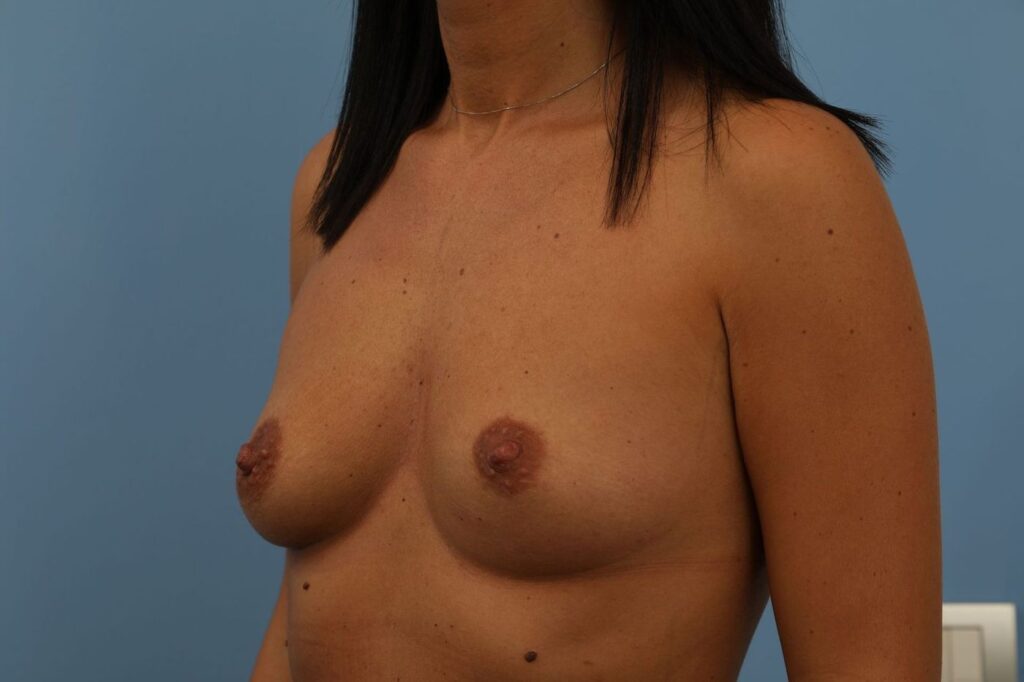
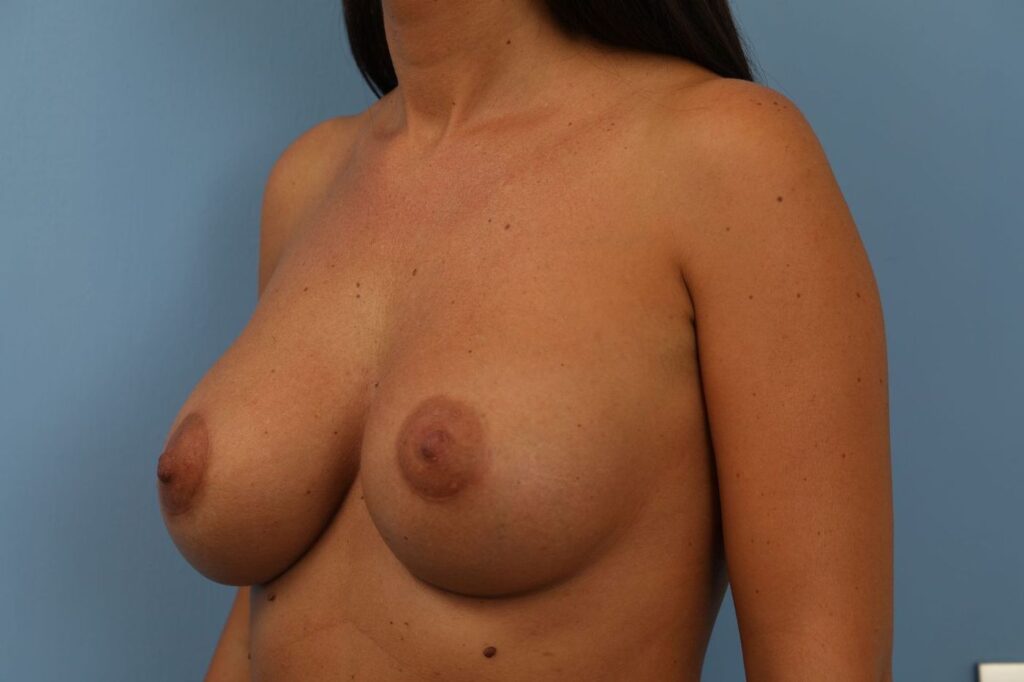
Subglandular breast augmentation with asymmetry correction, round GCA 430 cc implants, three-quarter view. Same patient as above. Seven-month follow-up.
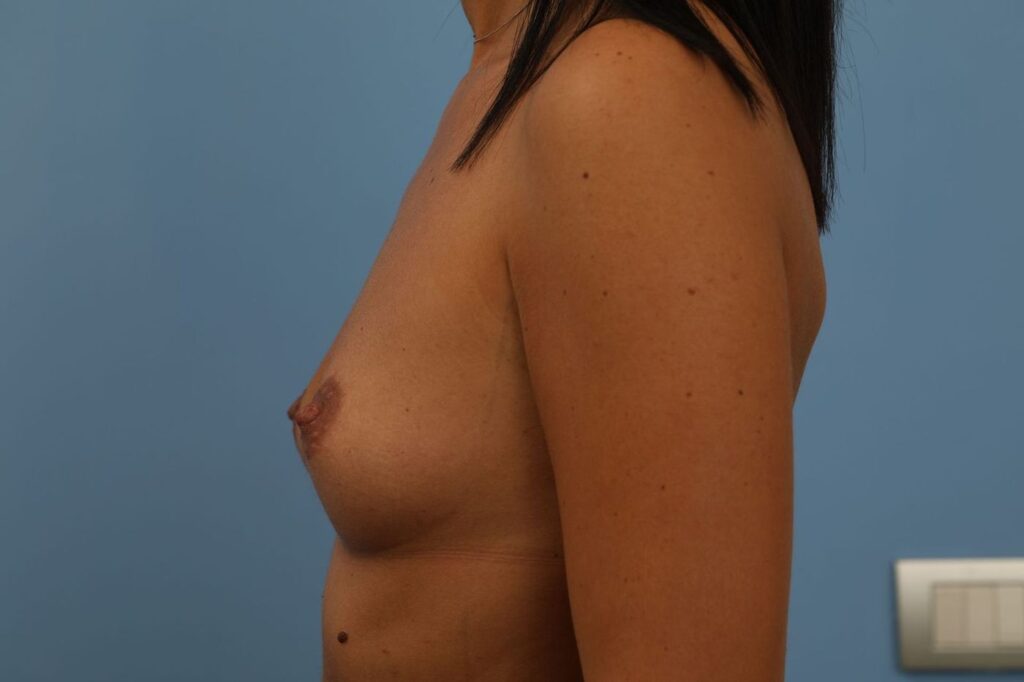
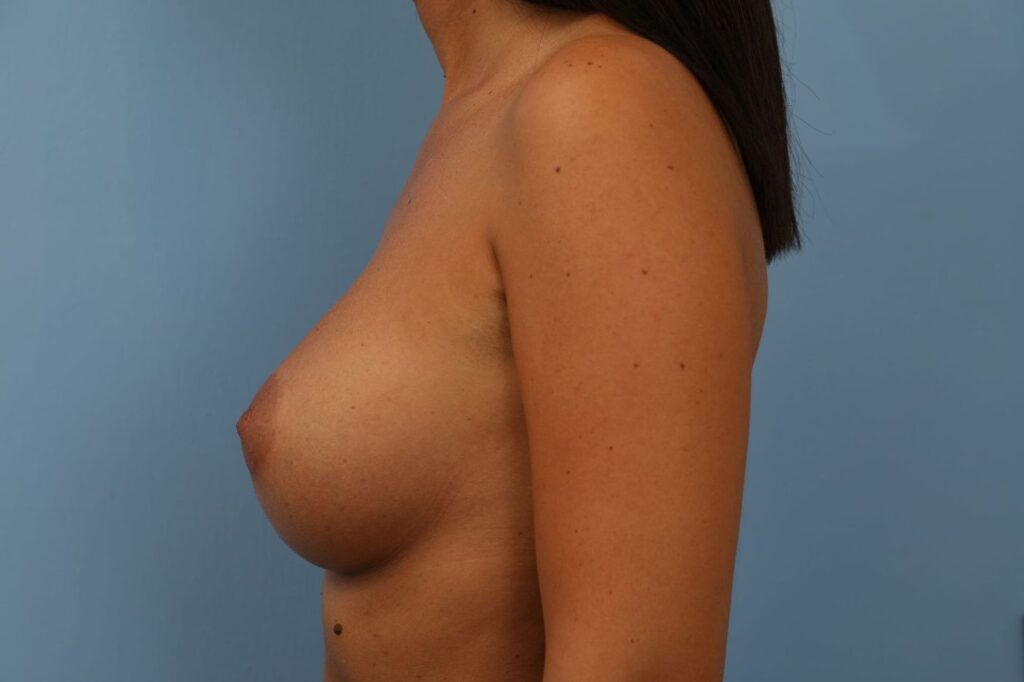
Subglandular breast augmentation with asymmetry correction, round GCA 430 cc implants, side view. Same patient as above. Seven-month follow-up.
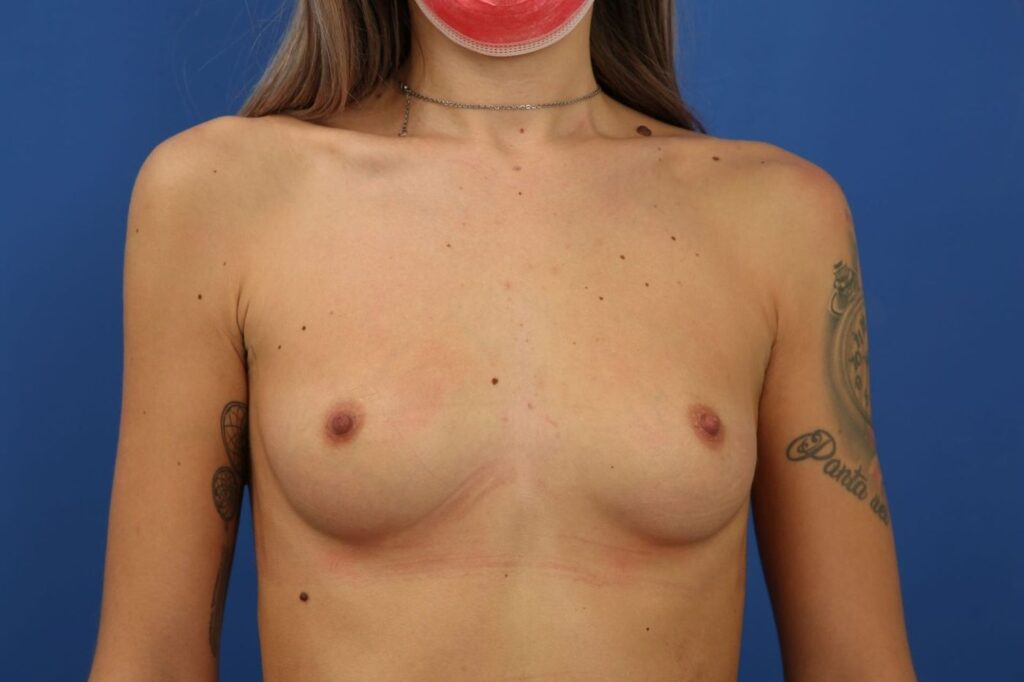
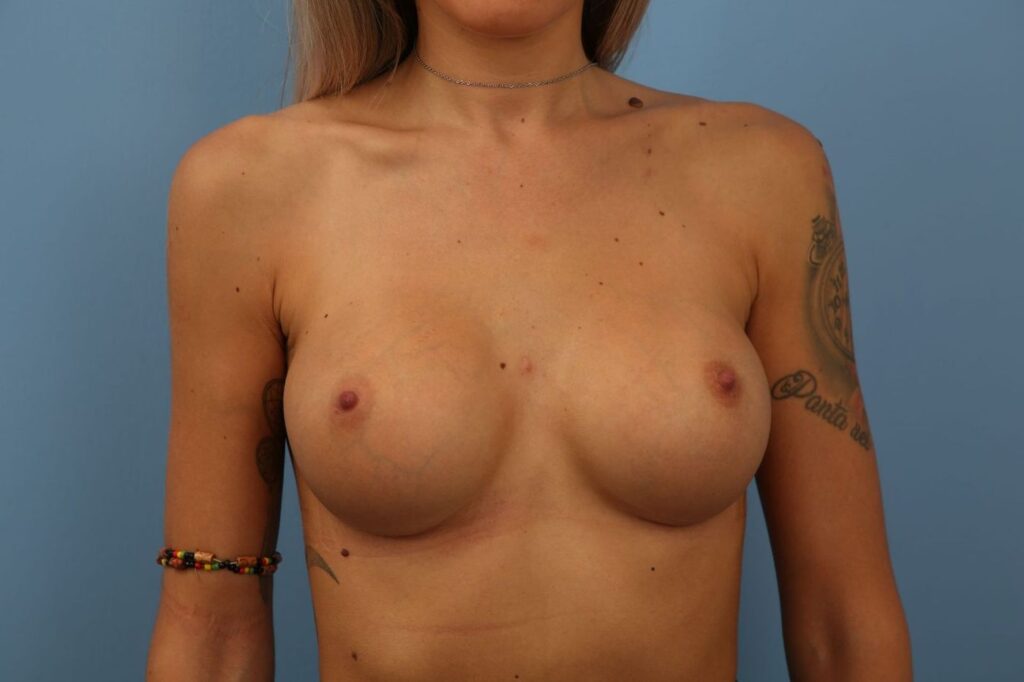
Submuscular breast augmentation with round Motiva 320 cc implants. 18-month follow-up.
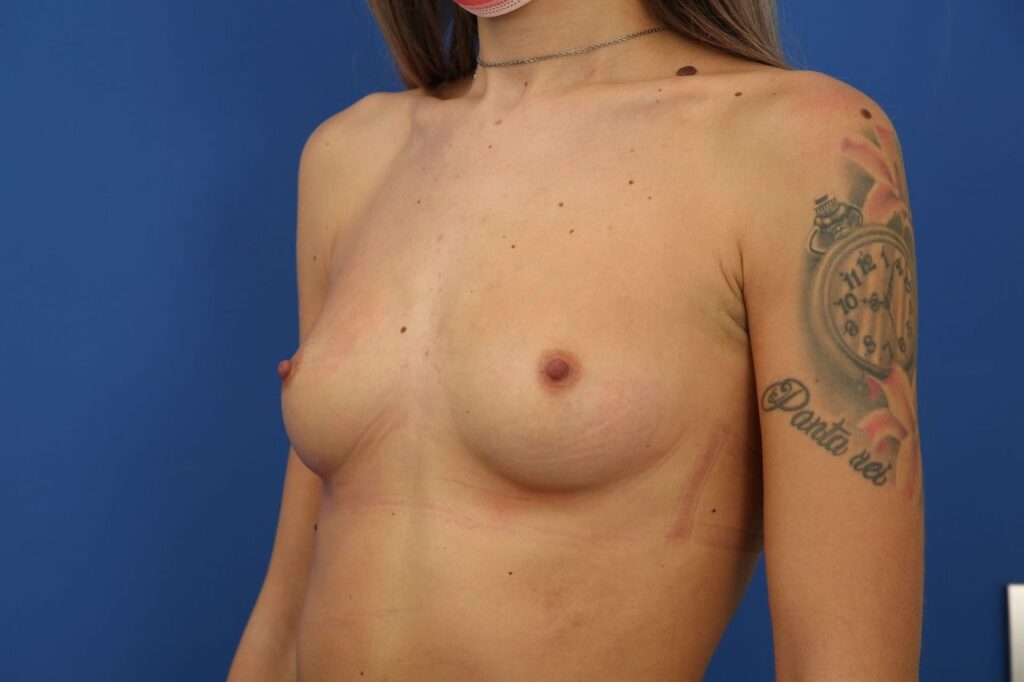
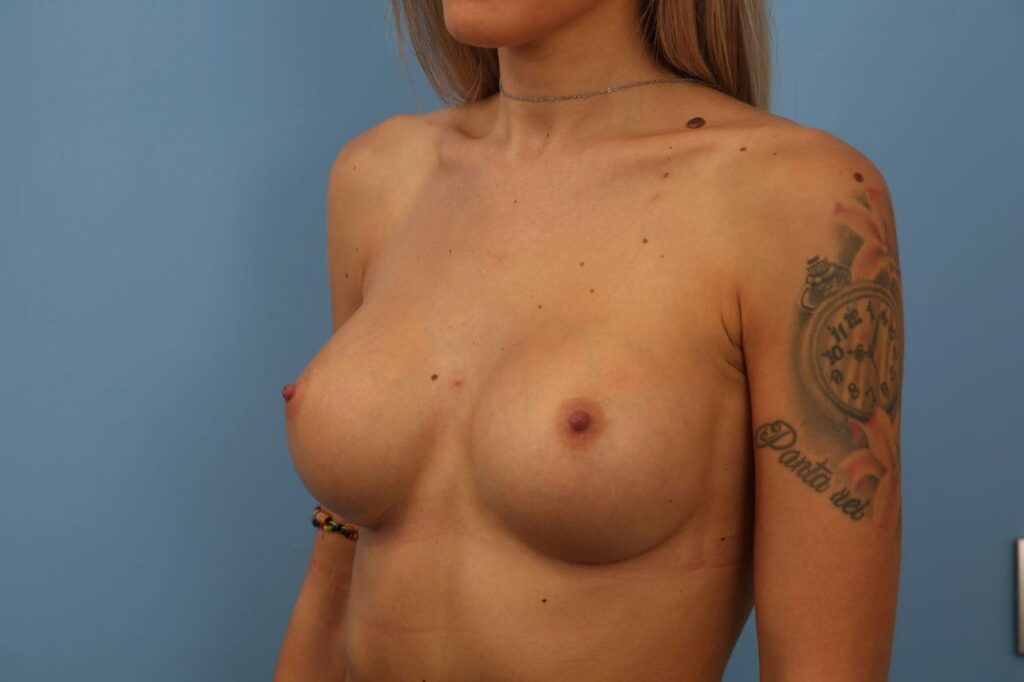
Submuscular breast augmentation with round Motiva 320 cc implants, three-quarter view. Same patient as above. 18-month follow-up.
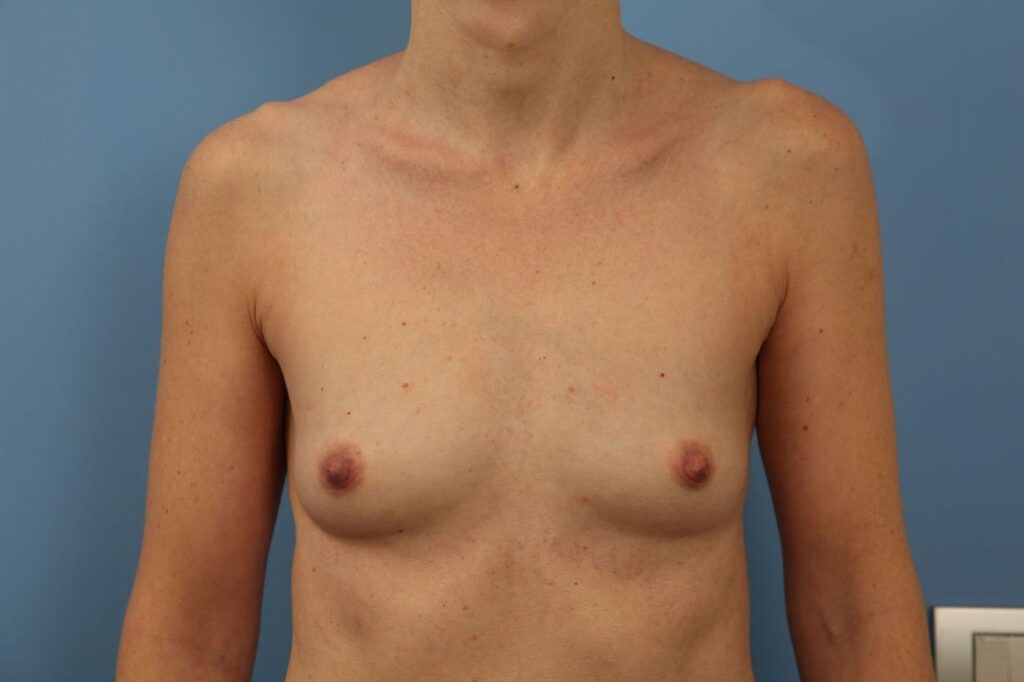
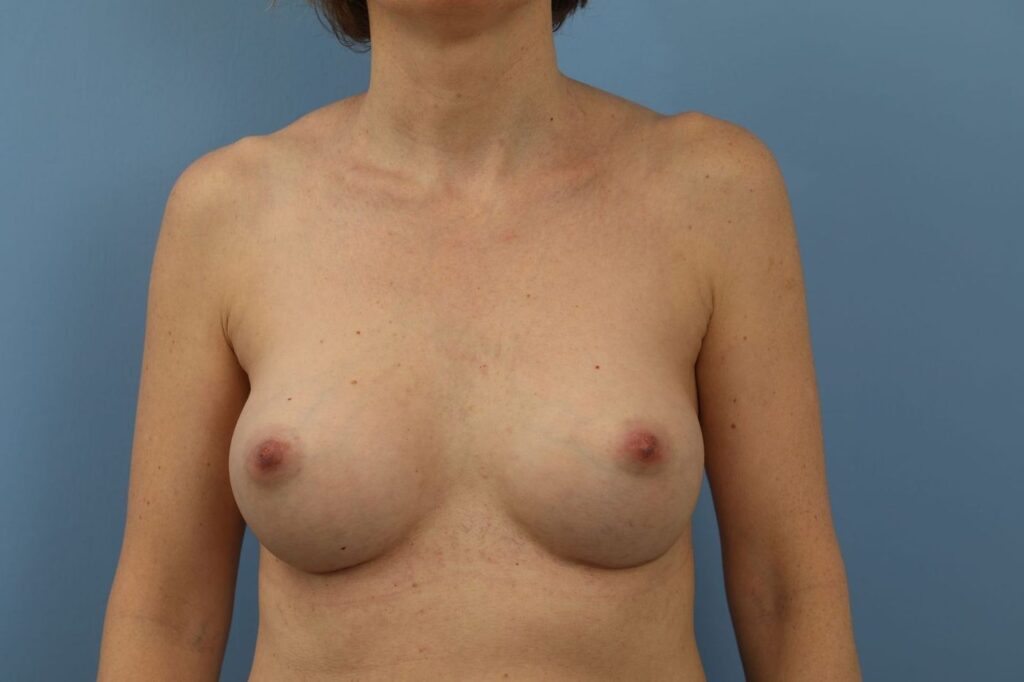
Submuscular breast augmentation with round Motiva 285 cc implants. 13-month follow-up.
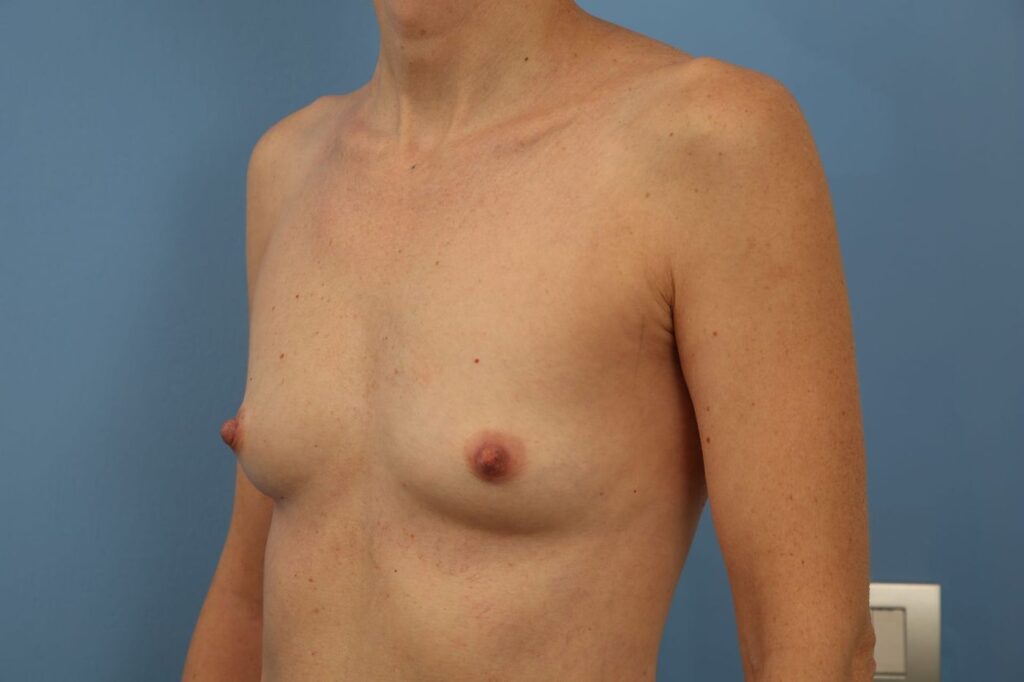
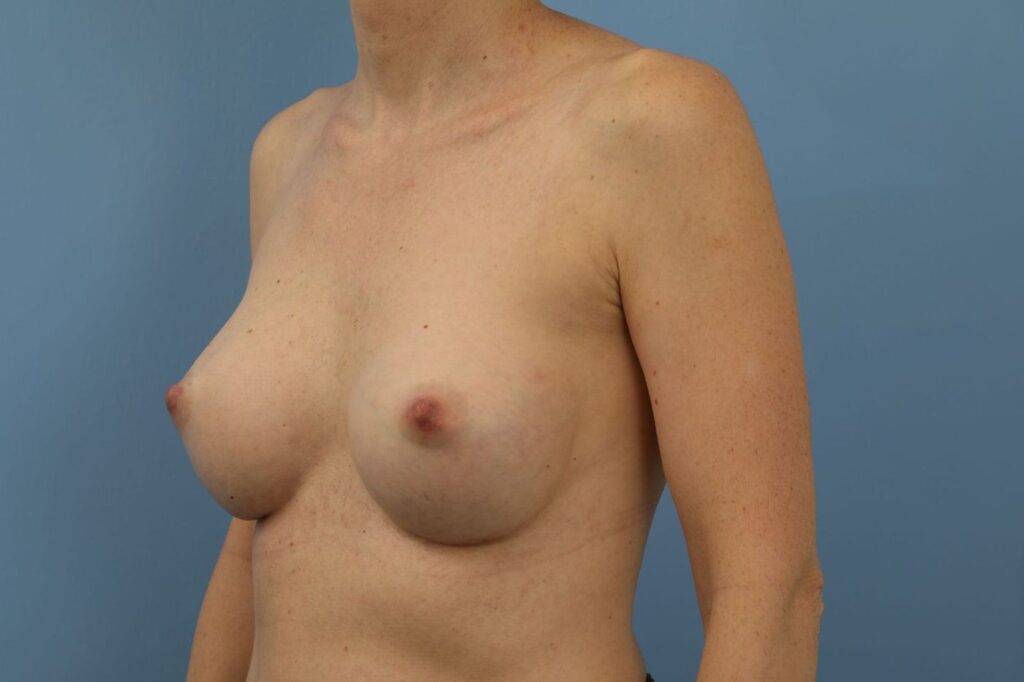
Submuscular breast augmentation with round Motiva 285 cc implants, three-quarter view. Same patient as above. 13-month follow-up.
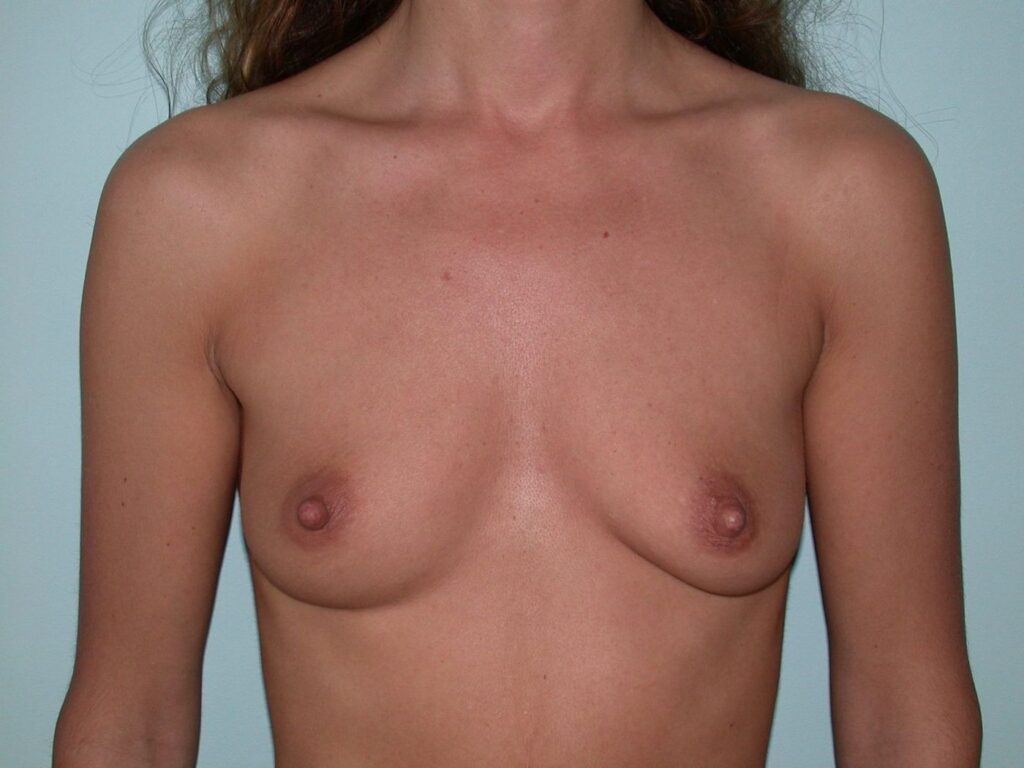
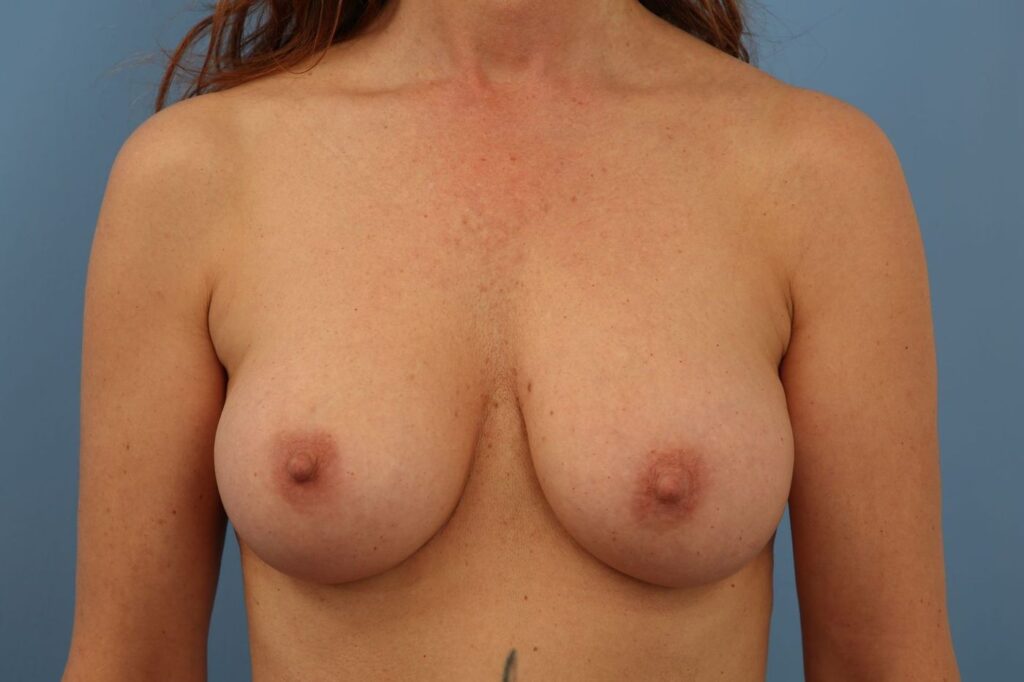
Subglandular breast augmentation with round implants. 19-year follow-up.
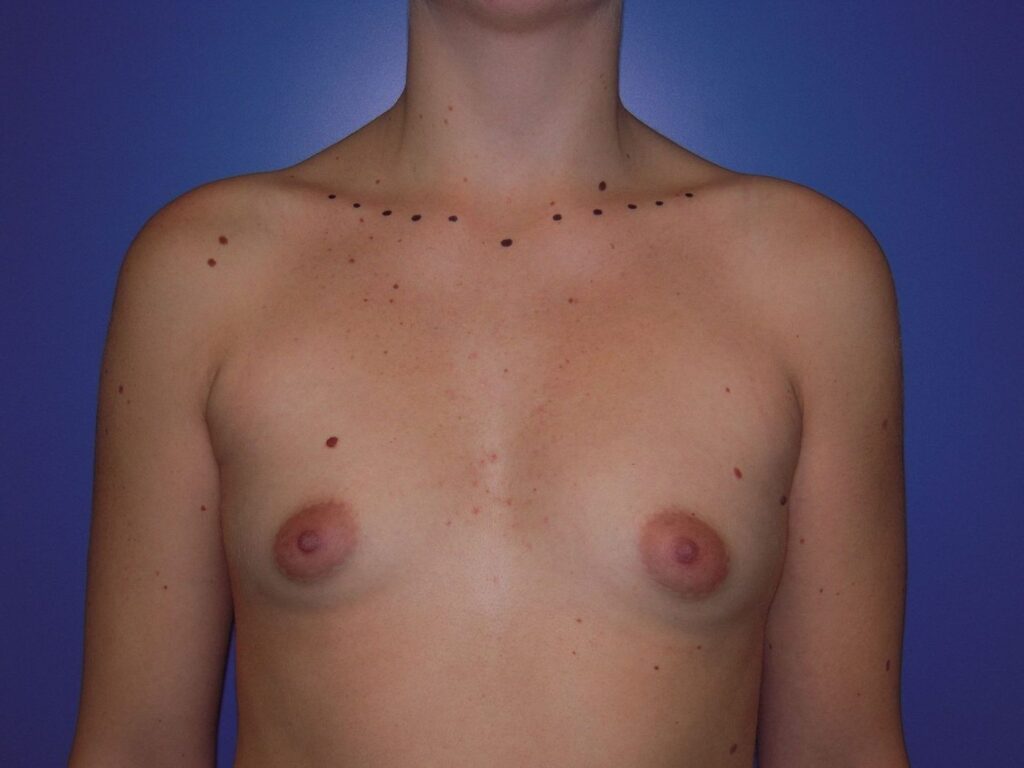
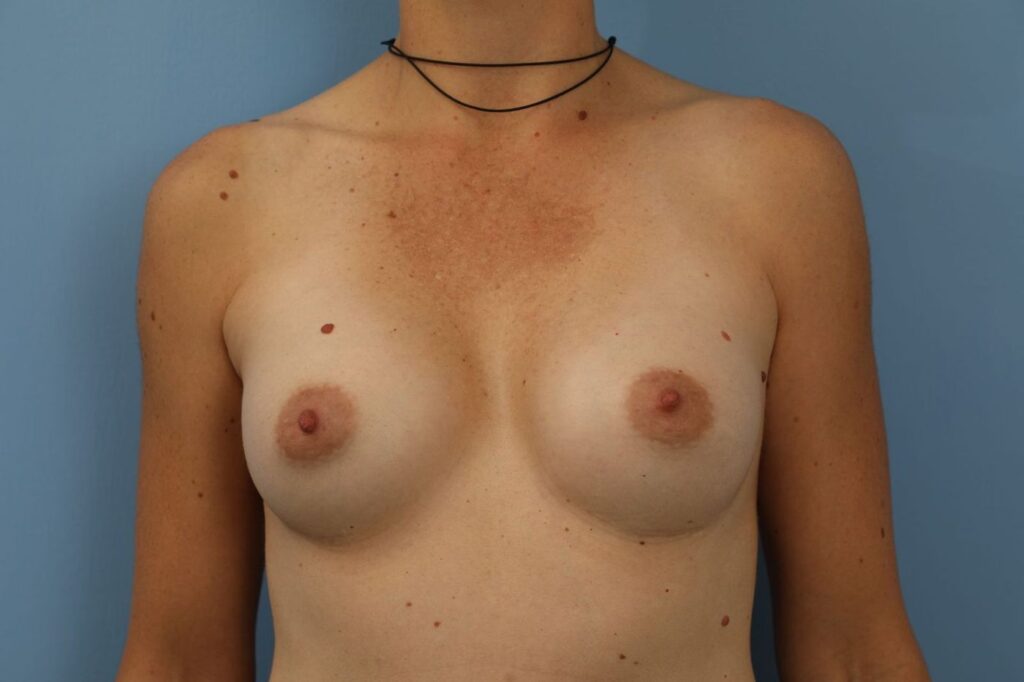
Submuscular breast augmentation with anatomical implants, front view. 15-year follow-up.
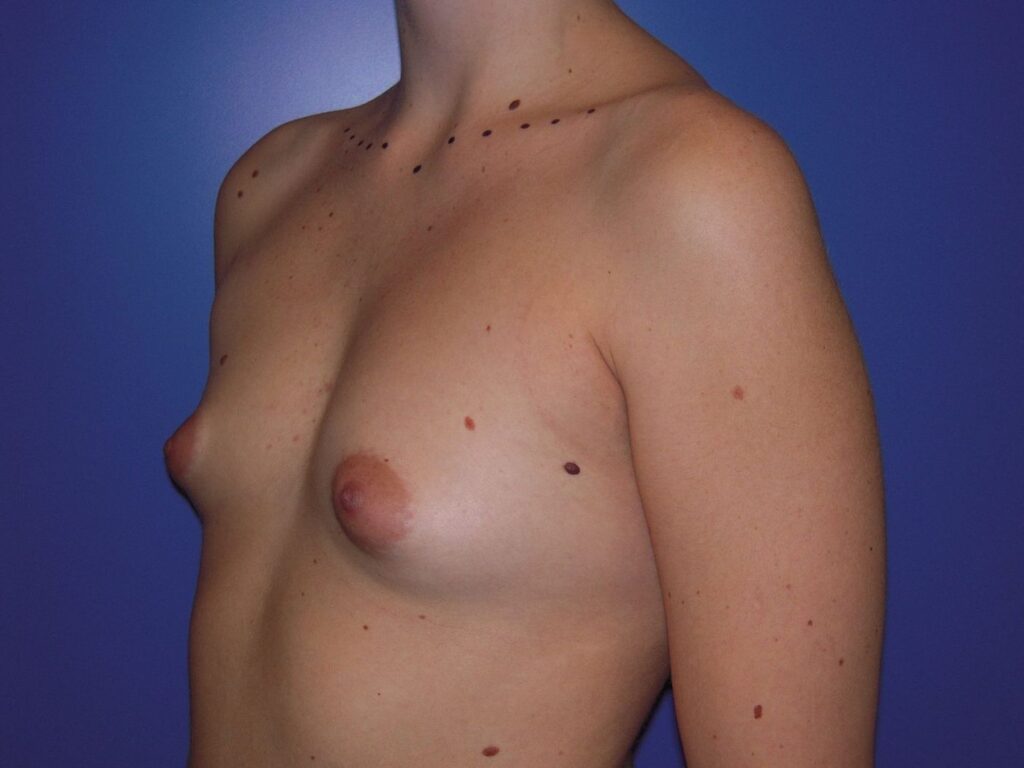
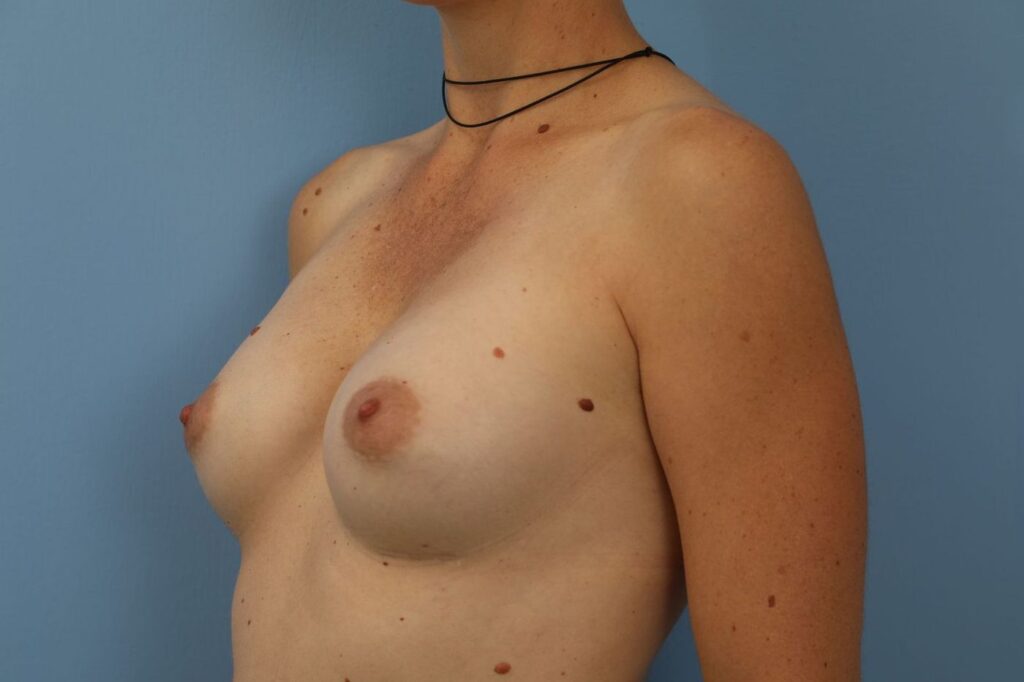
Submuscular breast augmentation with anatomical implants, three-quarter view. 15-year follow-up.
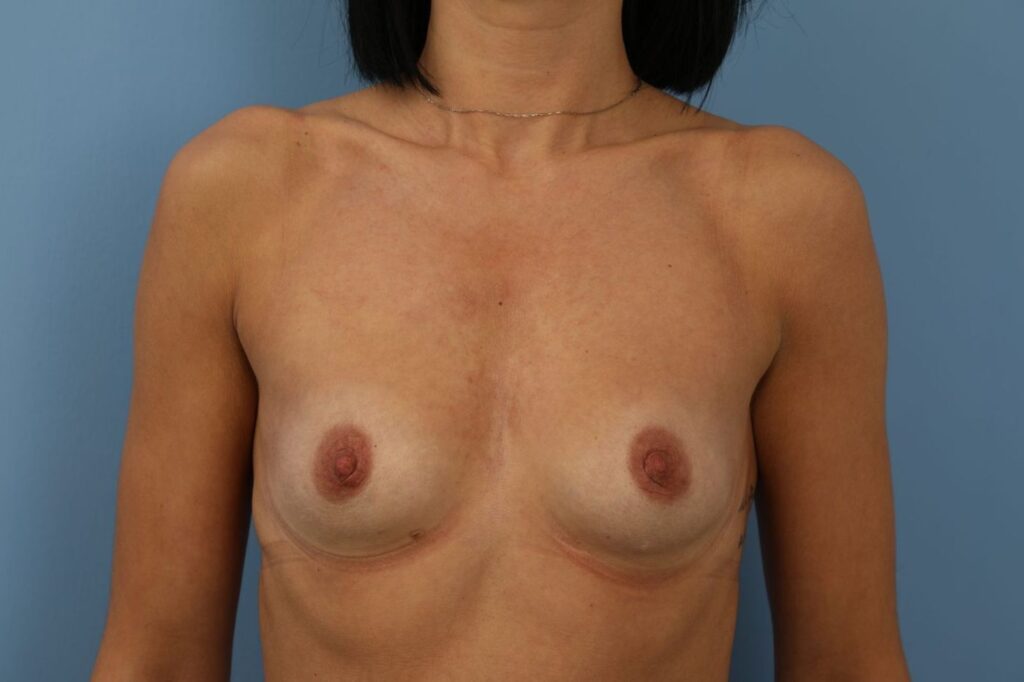
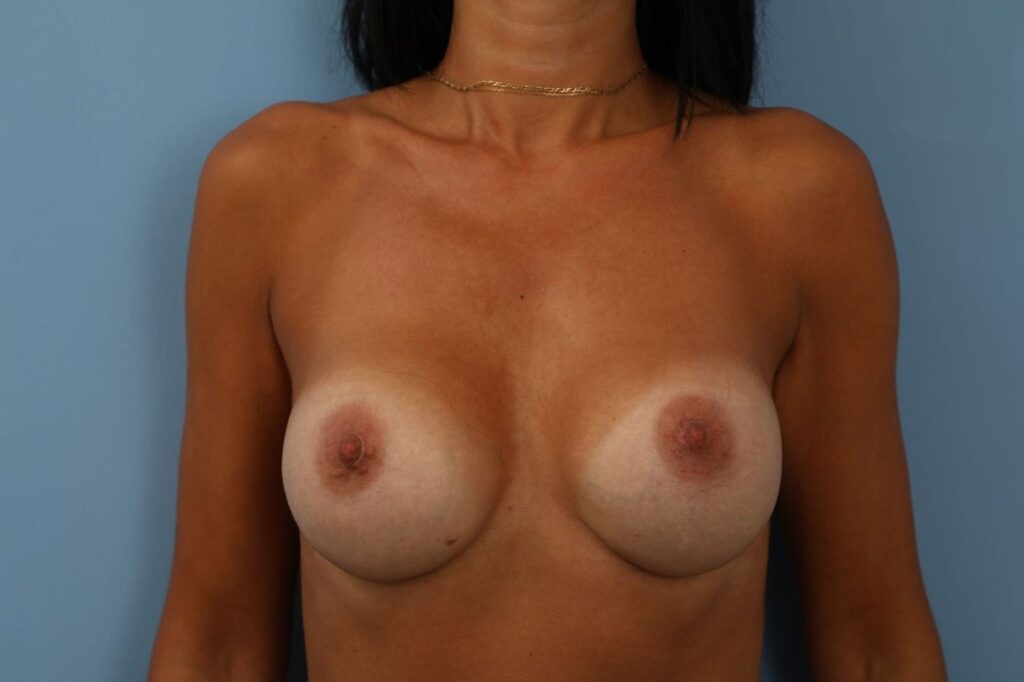
Submuscular breast augmentation with round Motiva 340 cc implants. Six-month follow-up.
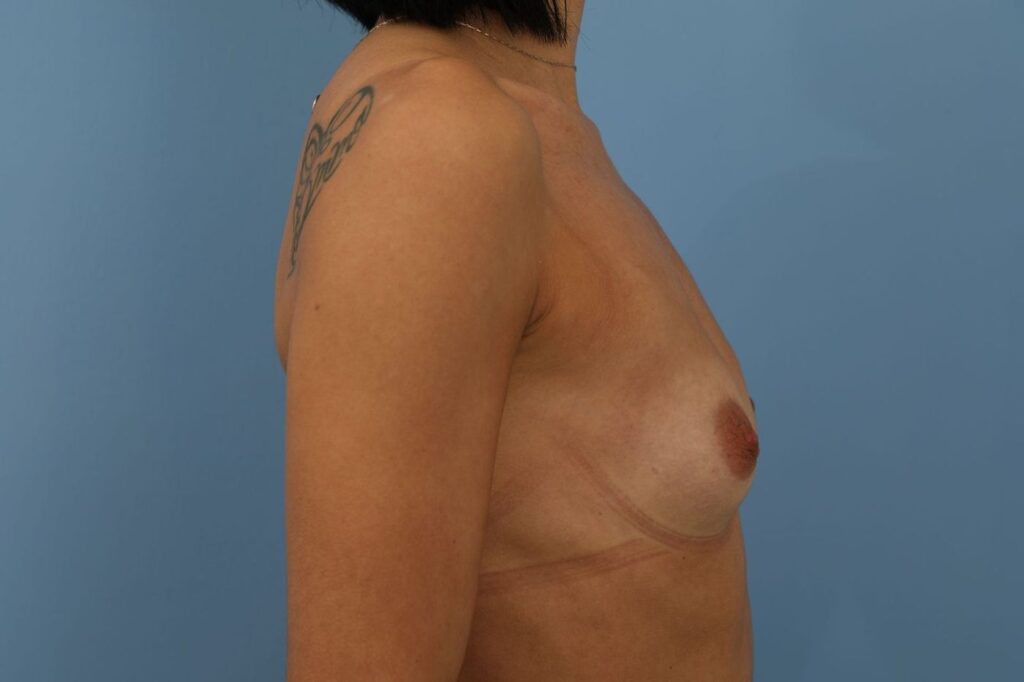
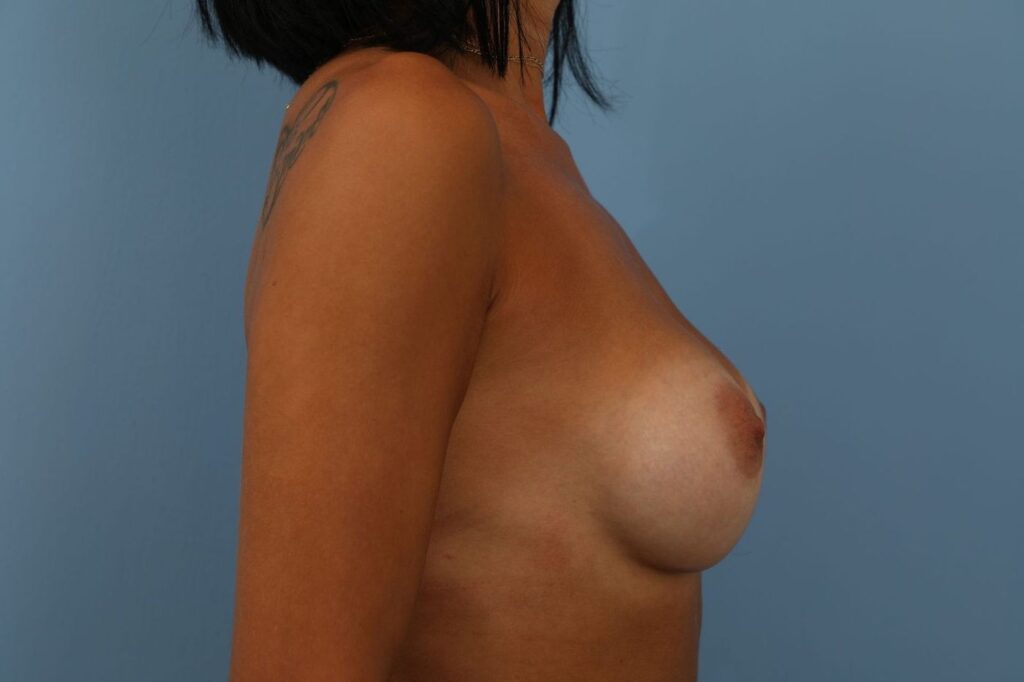
Submuscular breast augmentation with round Motiva 340 cc implants, side view. Same patient as above. Six-month follow-up.
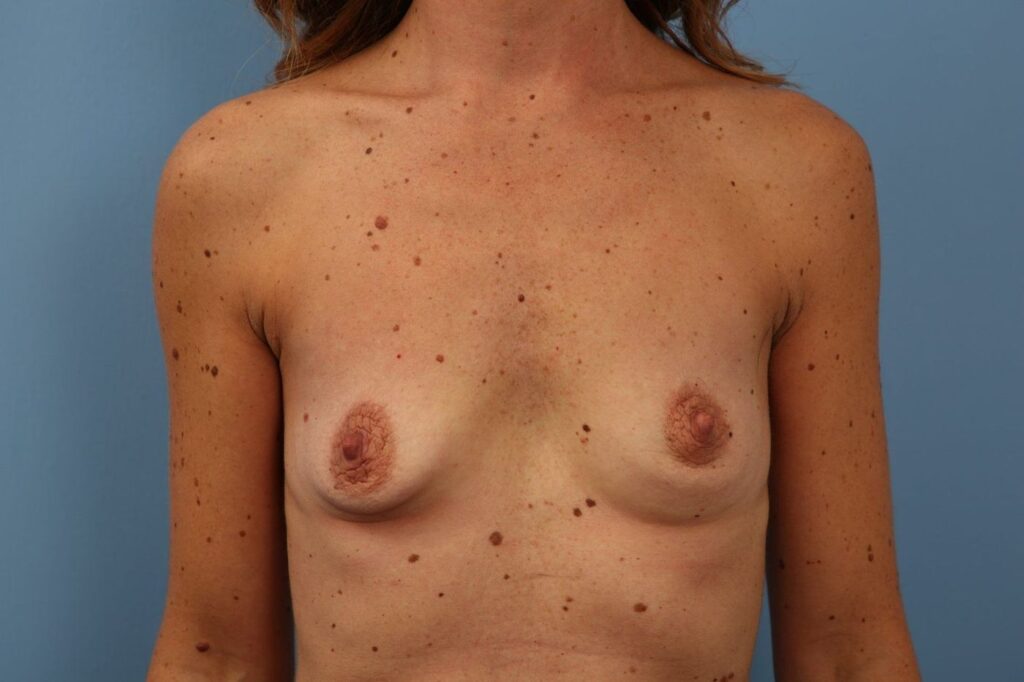
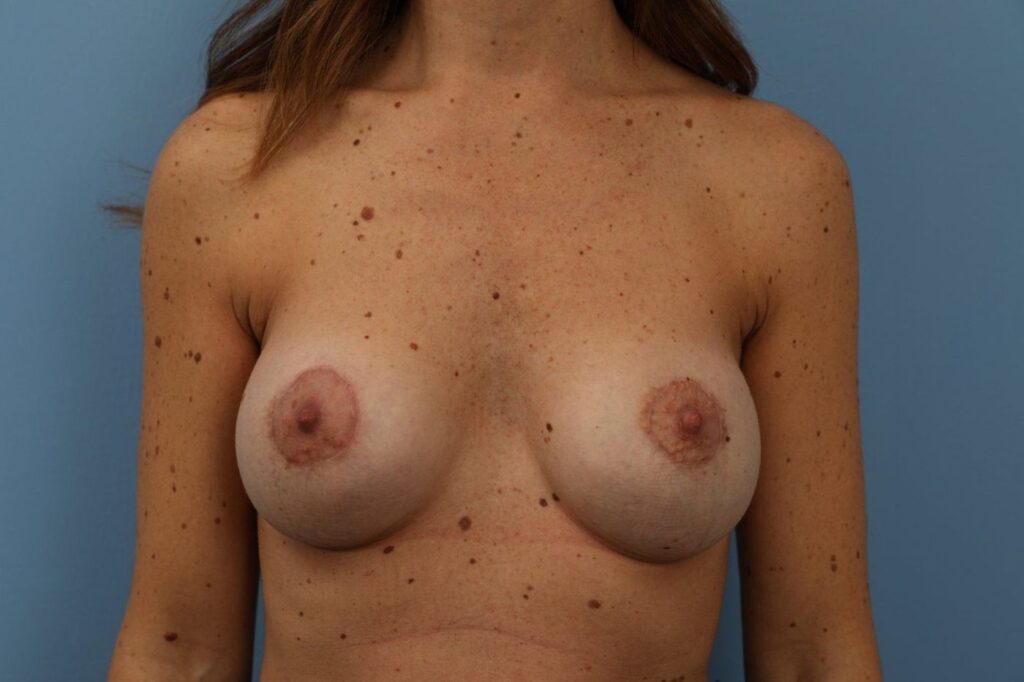
Breast augmentation with round Motiva 285 cc implants and correction of marked asymmetry.
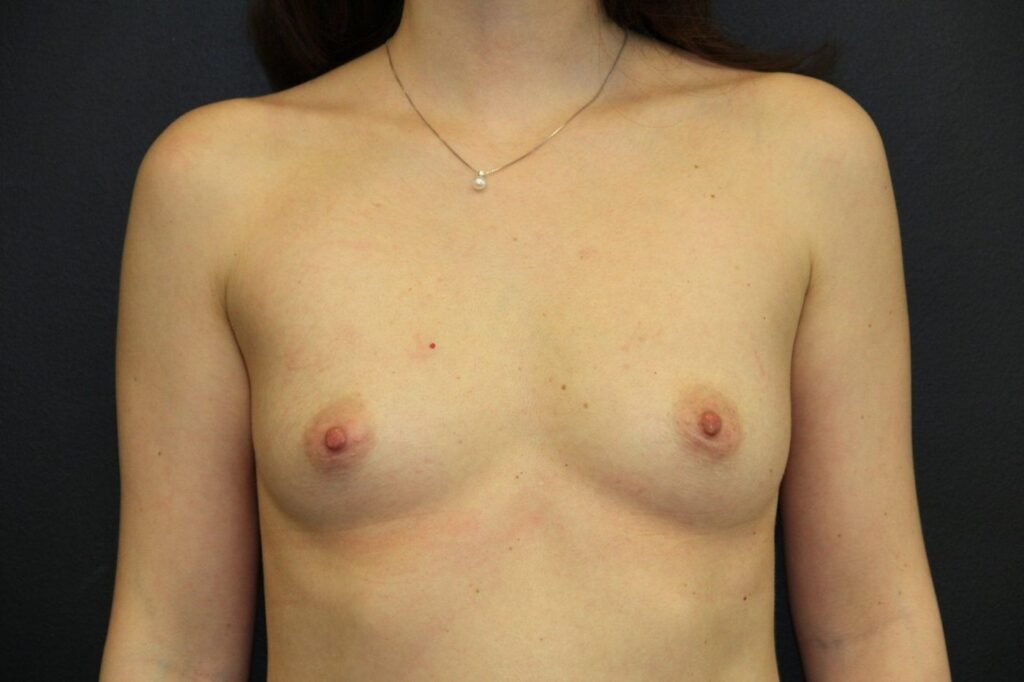
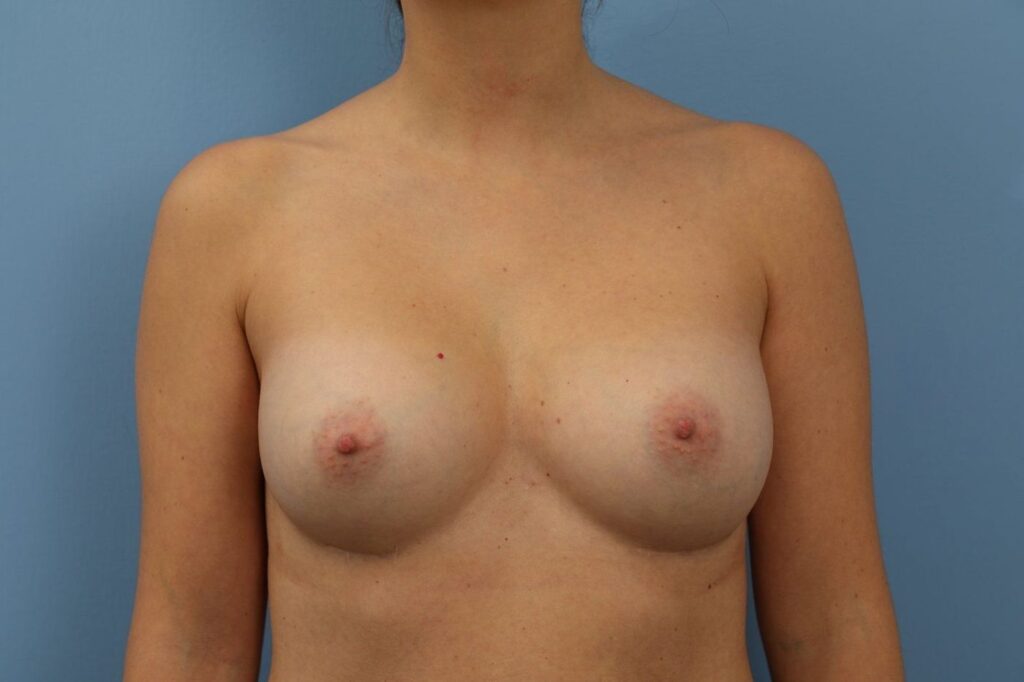
Submuscular breast augmentation with anatomical polyurethane Polytech 320 cc implants. Six-year follow-up.
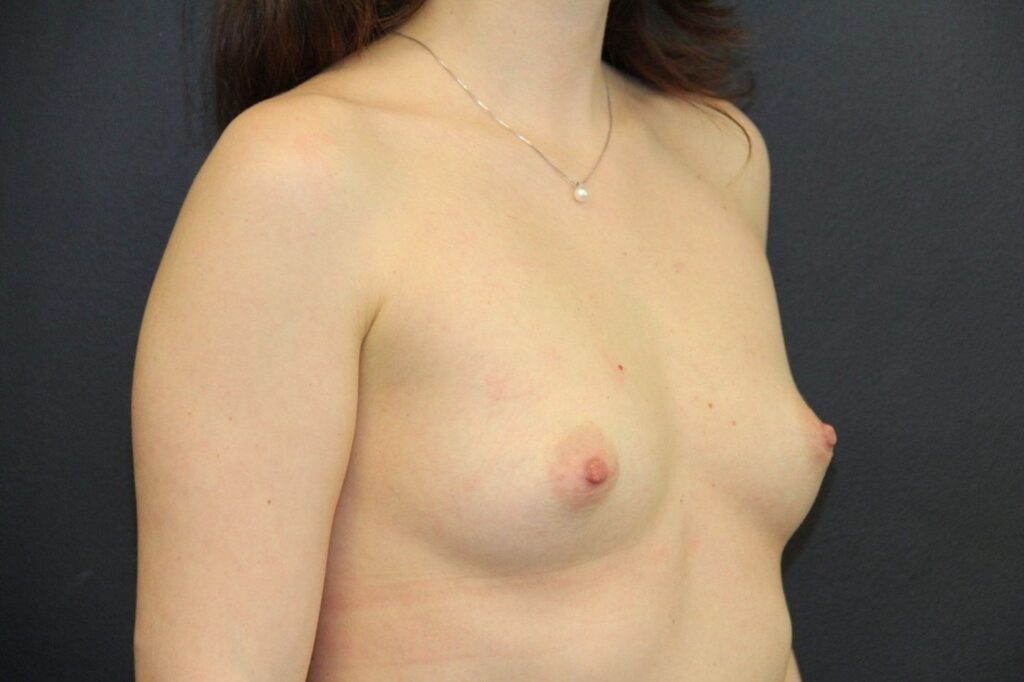
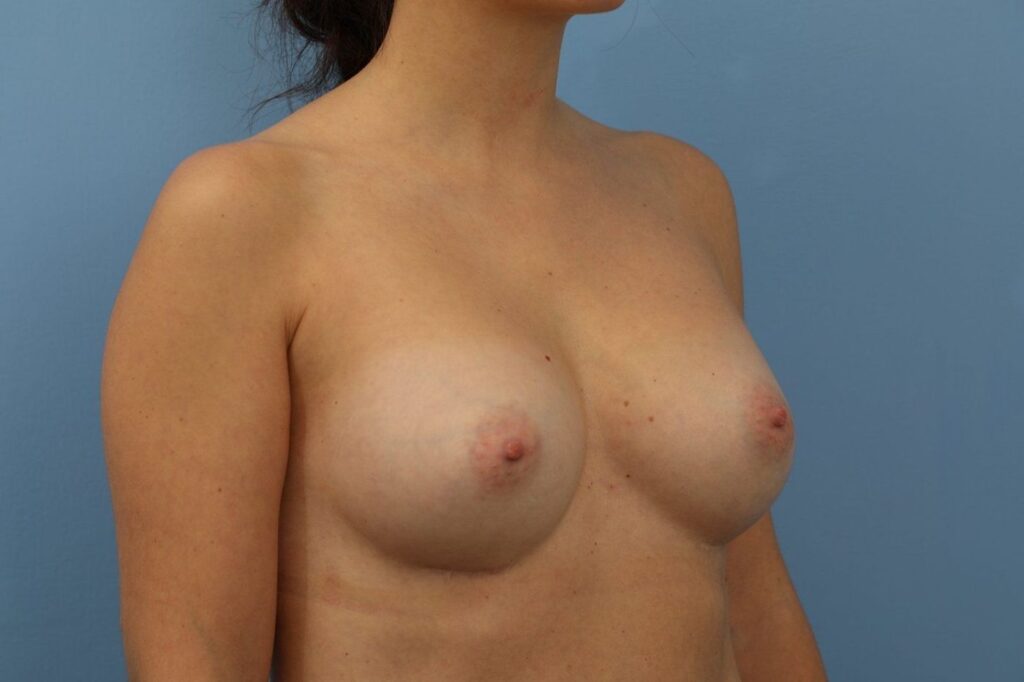
Submuscular breast augmentation with anatomical polyurethane Polytech 320 cc implants, three-quarter view. Same patient as above. Six-year follow-up.
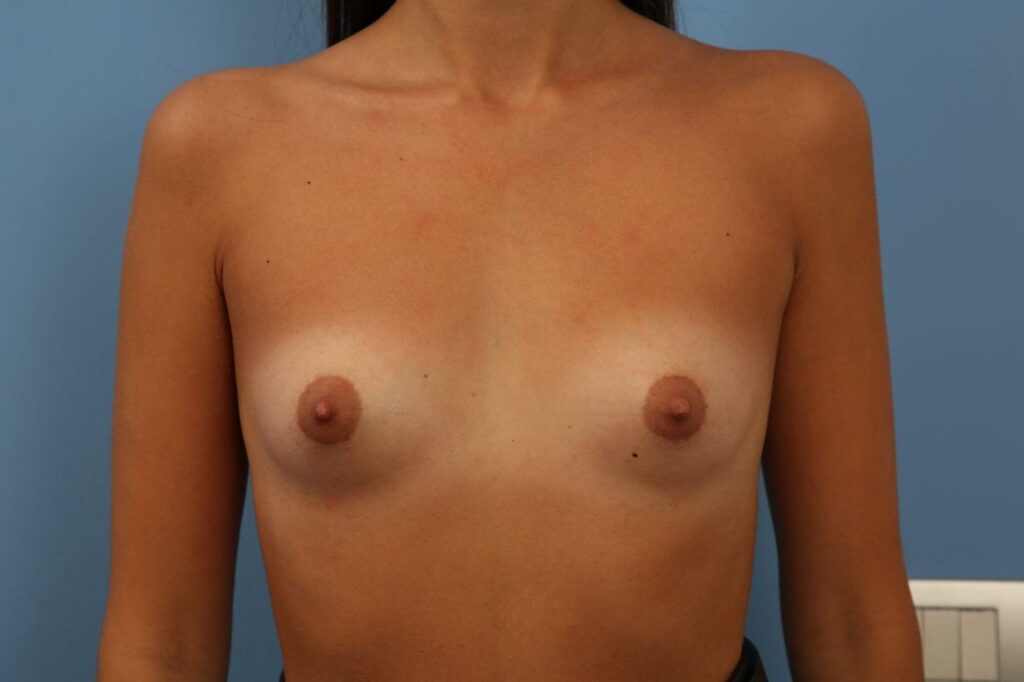
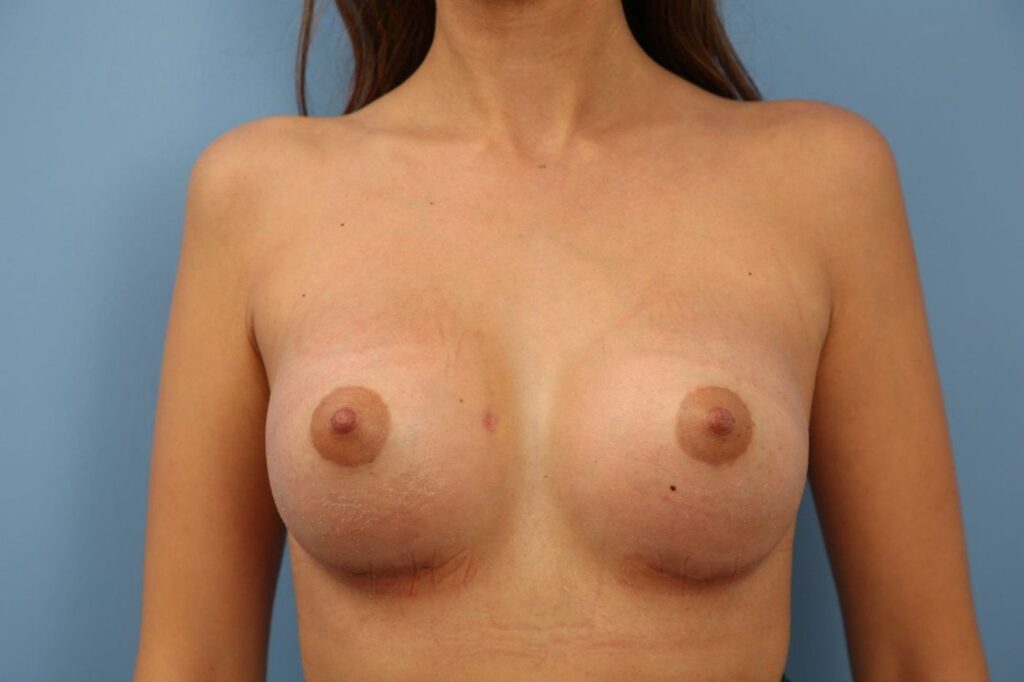
Submuscular breast augmentation with round Motiva 320 cc implants, front view. One-month follow-up.
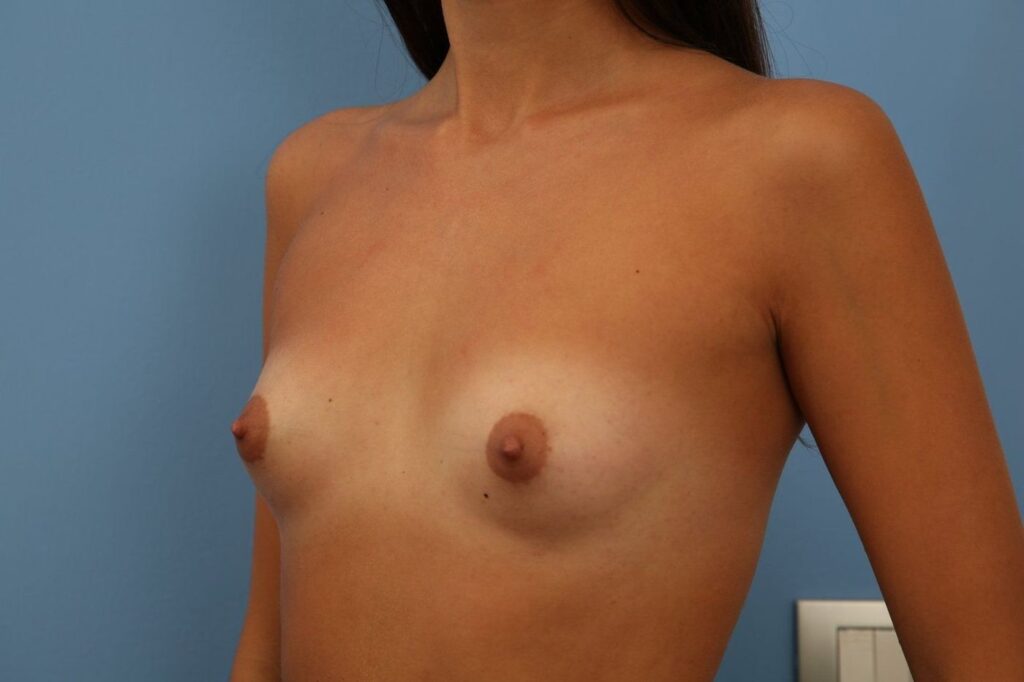
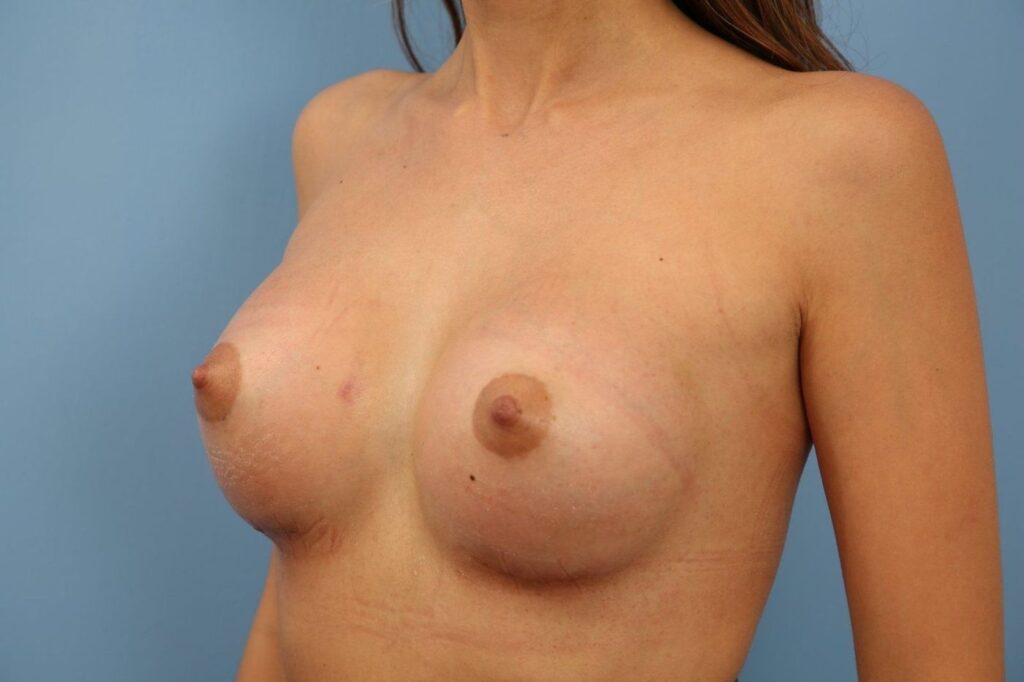
Submuscular breast augmentation with round Motiva 320 cc implants, three-quarter view. One-month follow-up.
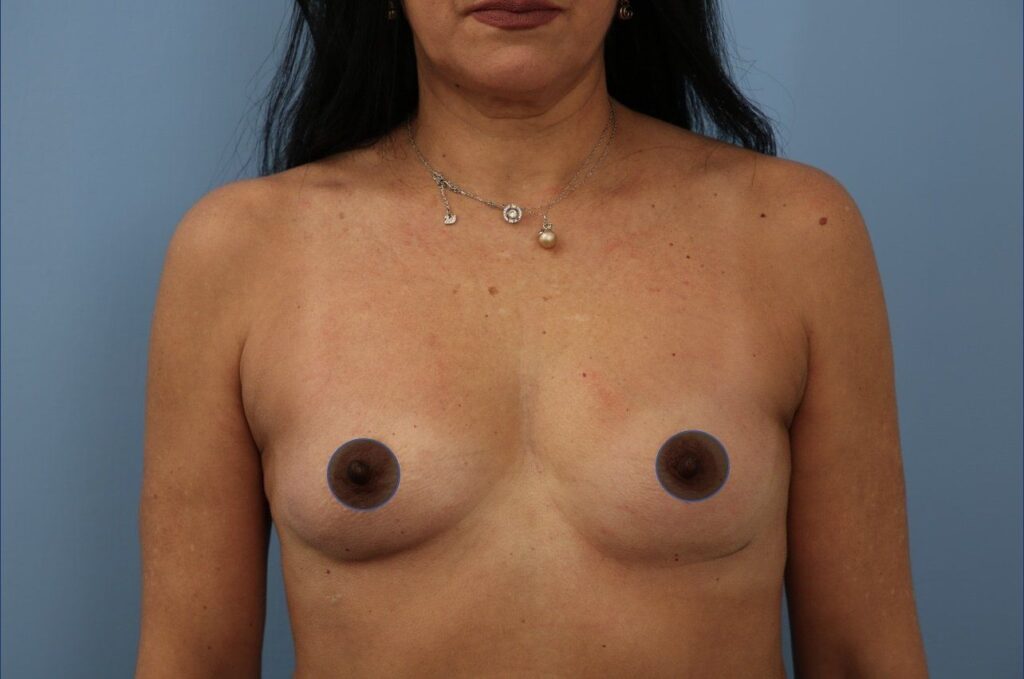
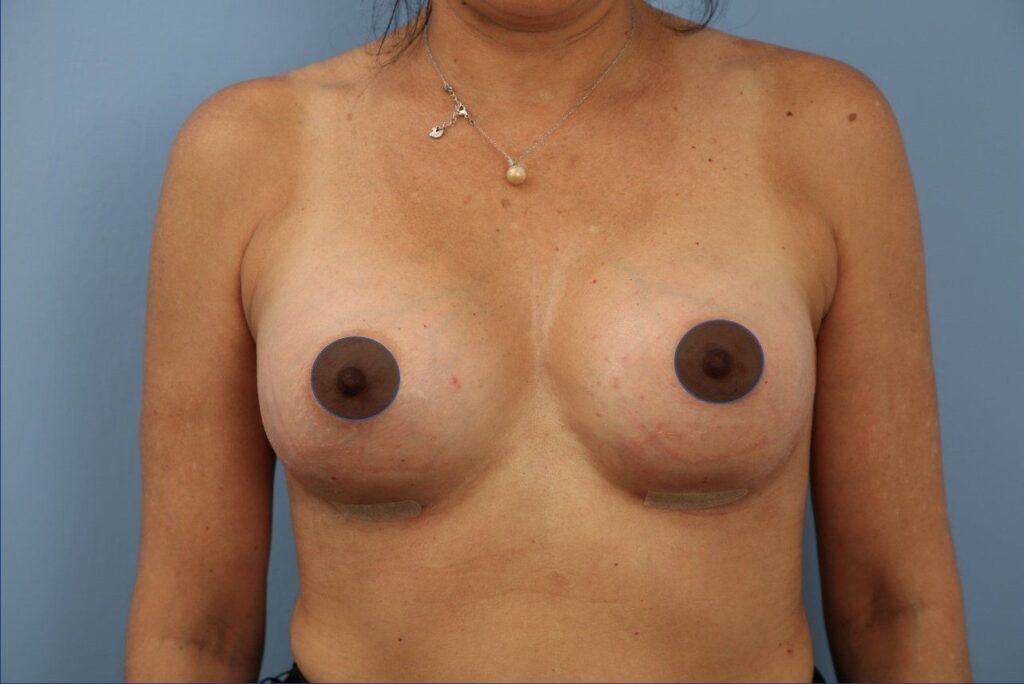
Subglandular breast augmentation with anatomical polyurethane Polytech implants. One-month follow-up.
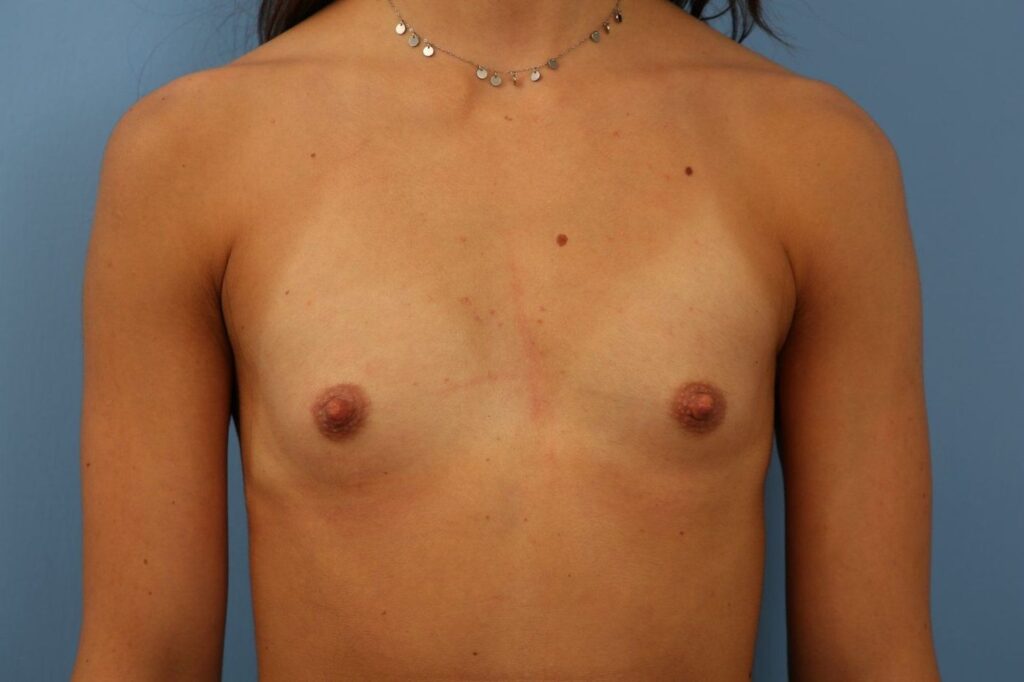
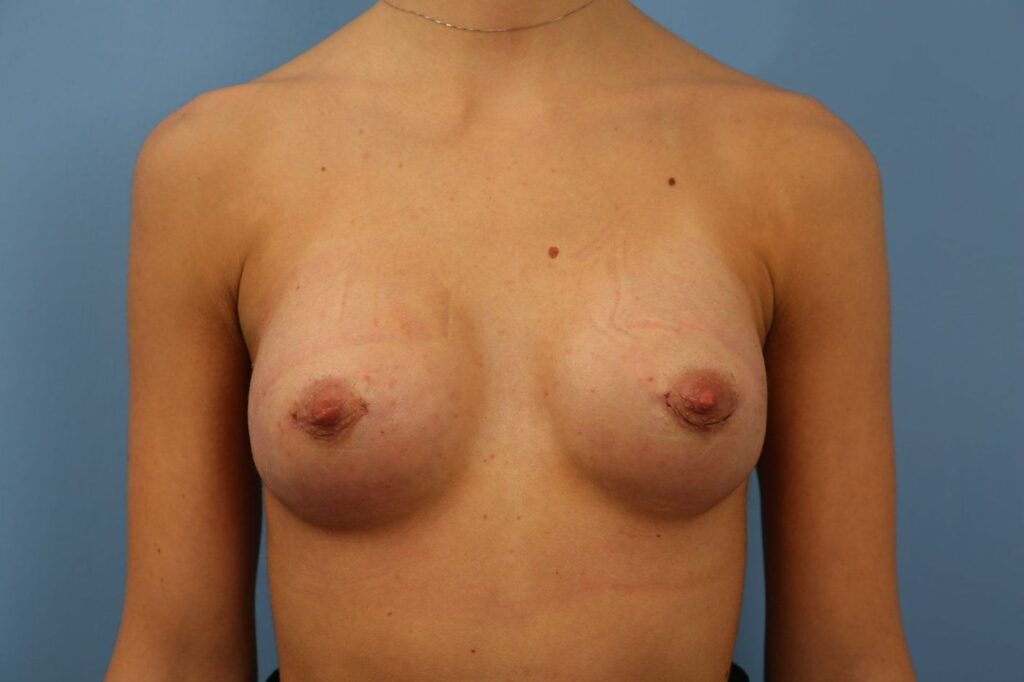
Submuscular breast augmentation with round Motiva 320 cc implants. One-month follow-up.
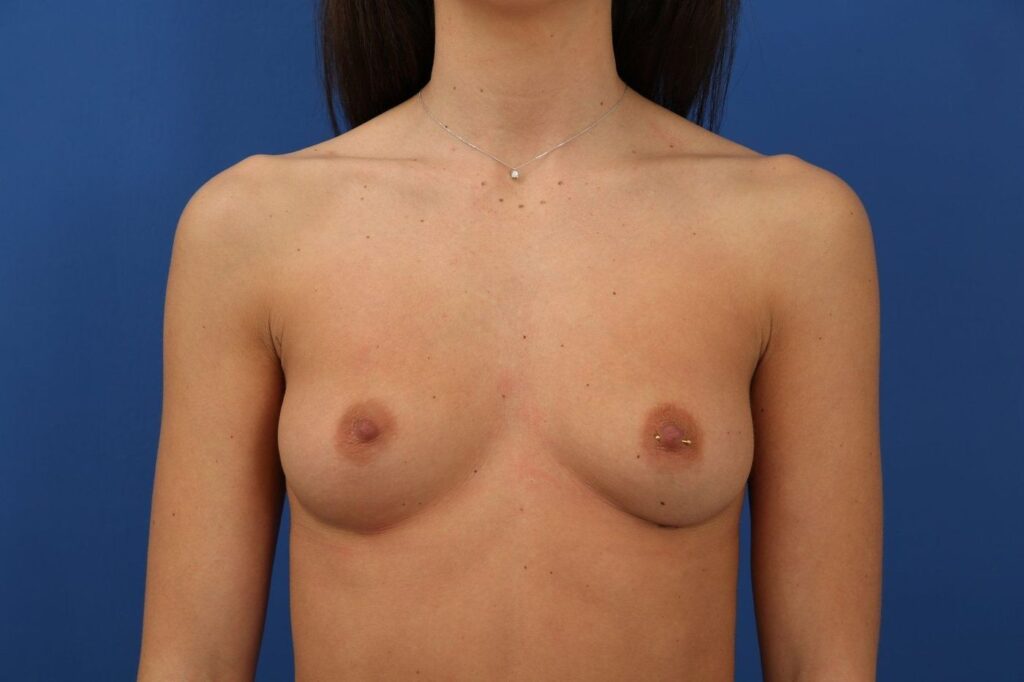
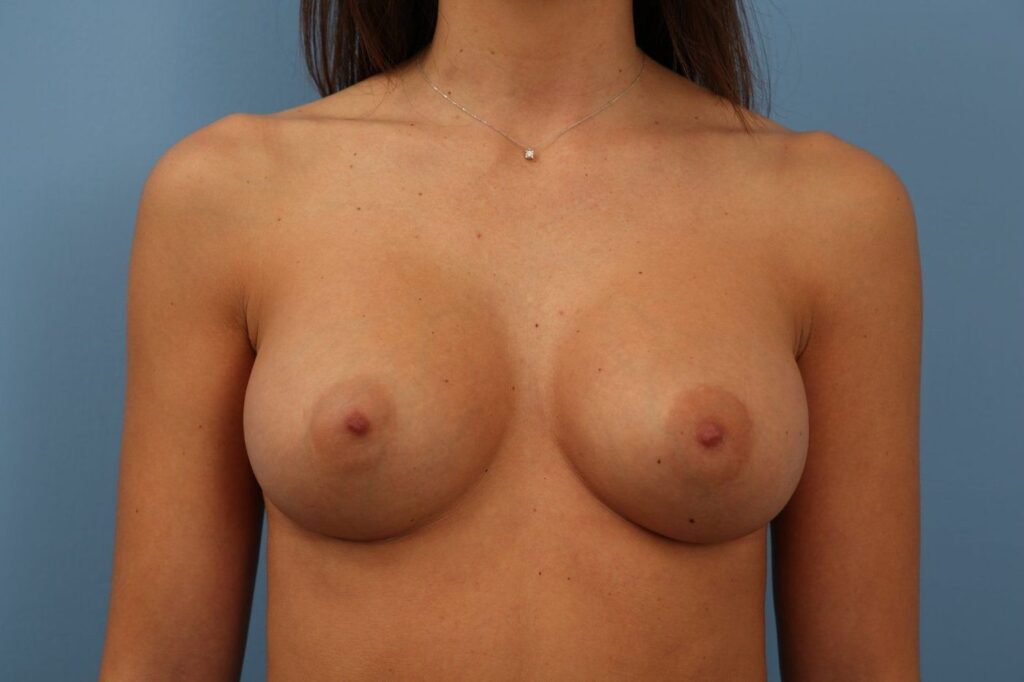
Submuscular breast augmentation with anatomical polyurethane Polytech 220 cc implants. Nine-month follow-up.
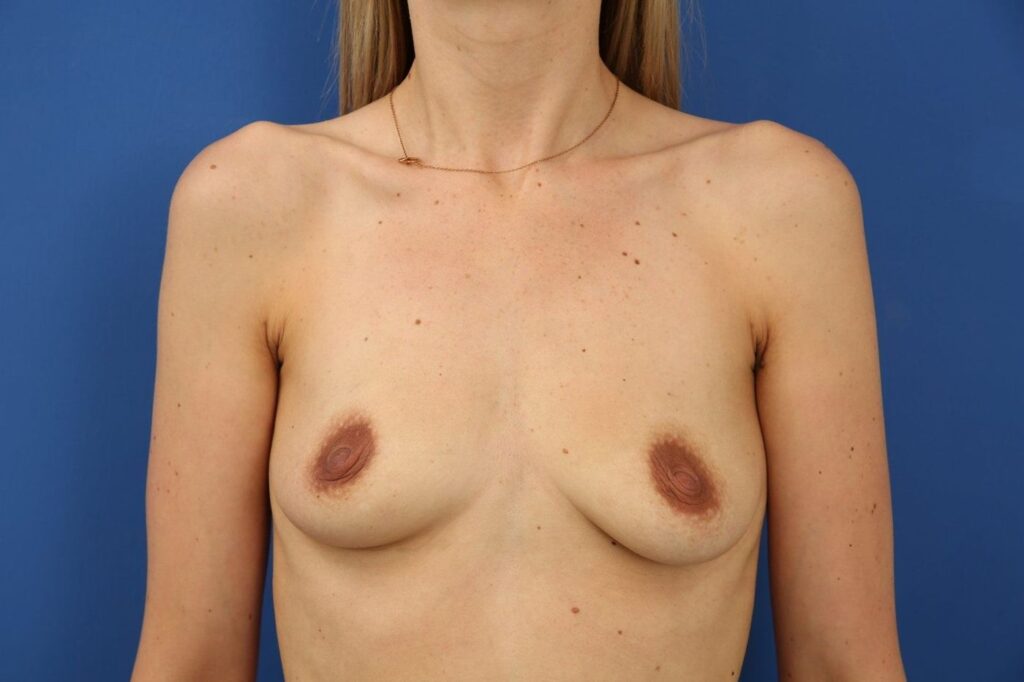
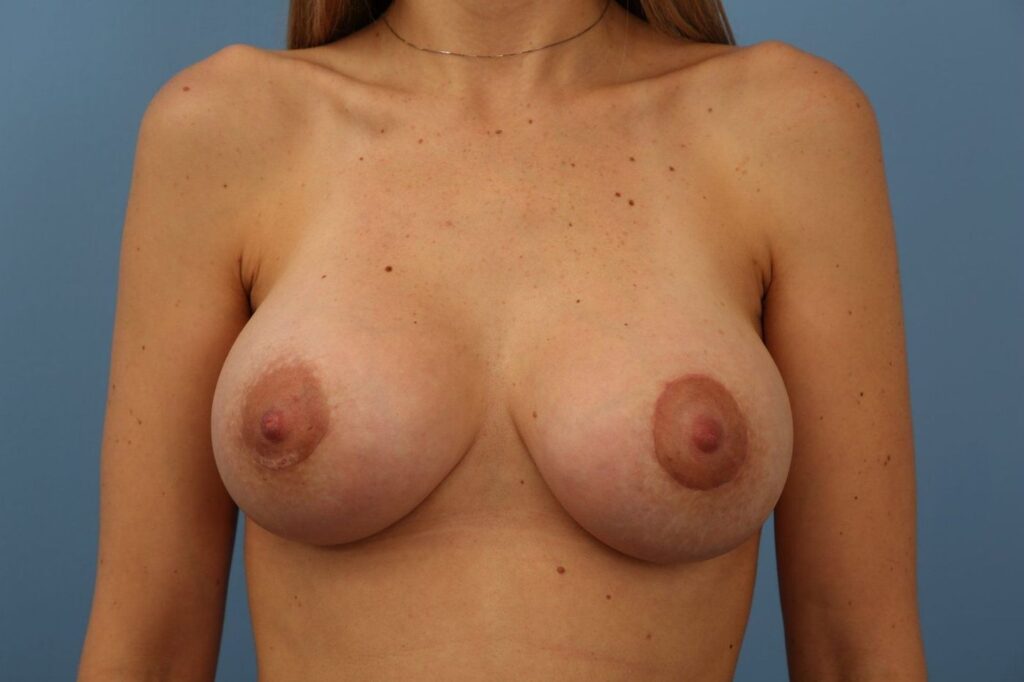
Subglandular breast augmentation with left breast lift, round Motiva 425 cc implants. One-month follow-up.
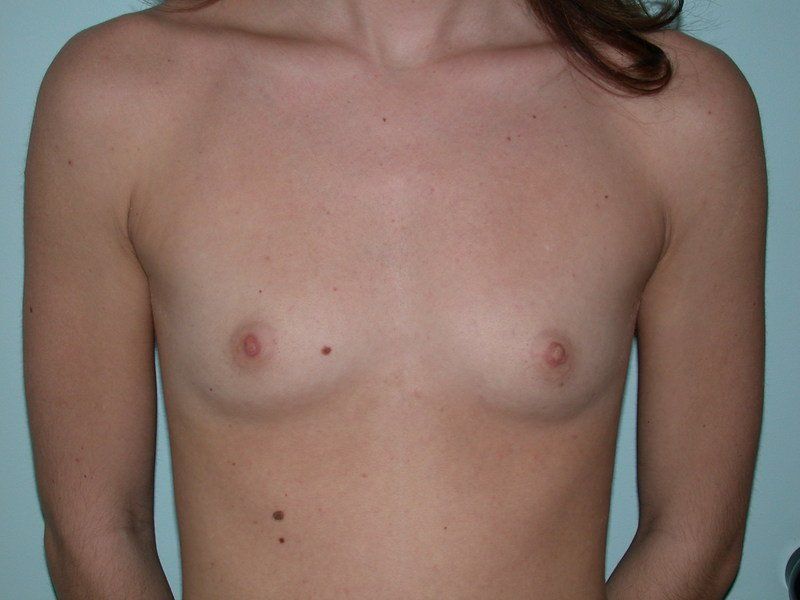
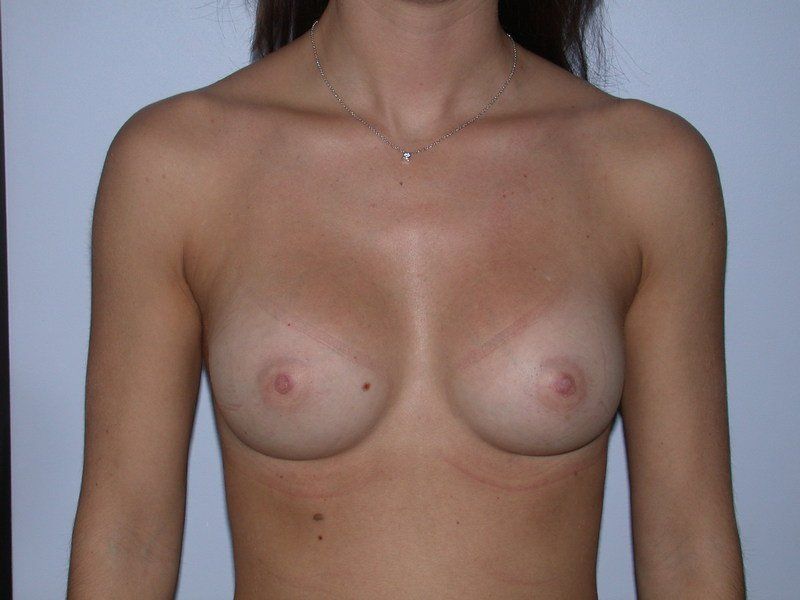
Submuscular breast augmentation.
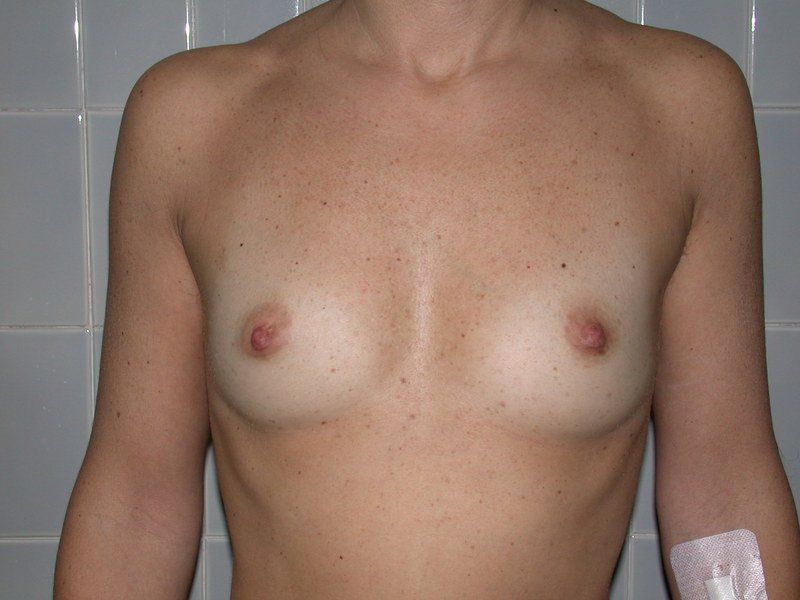
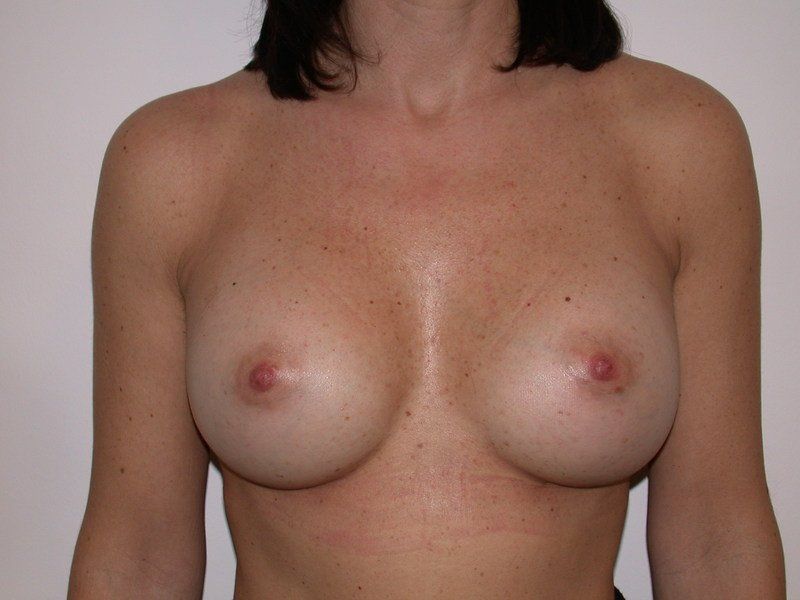
Submuscular breast augmentation.
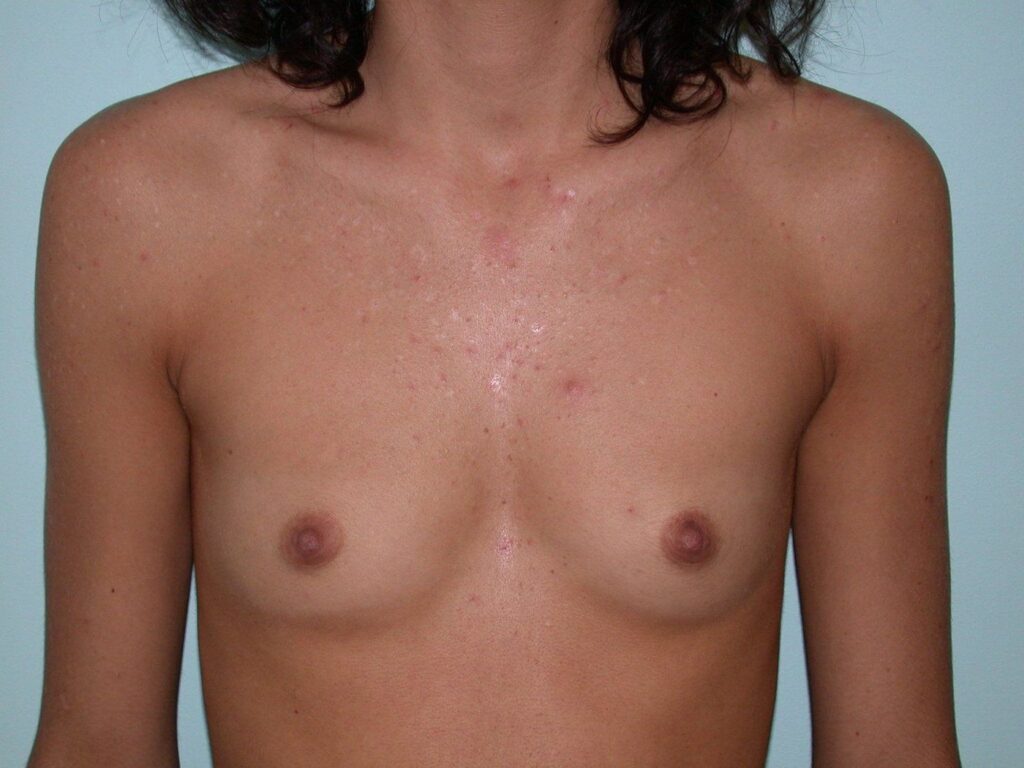
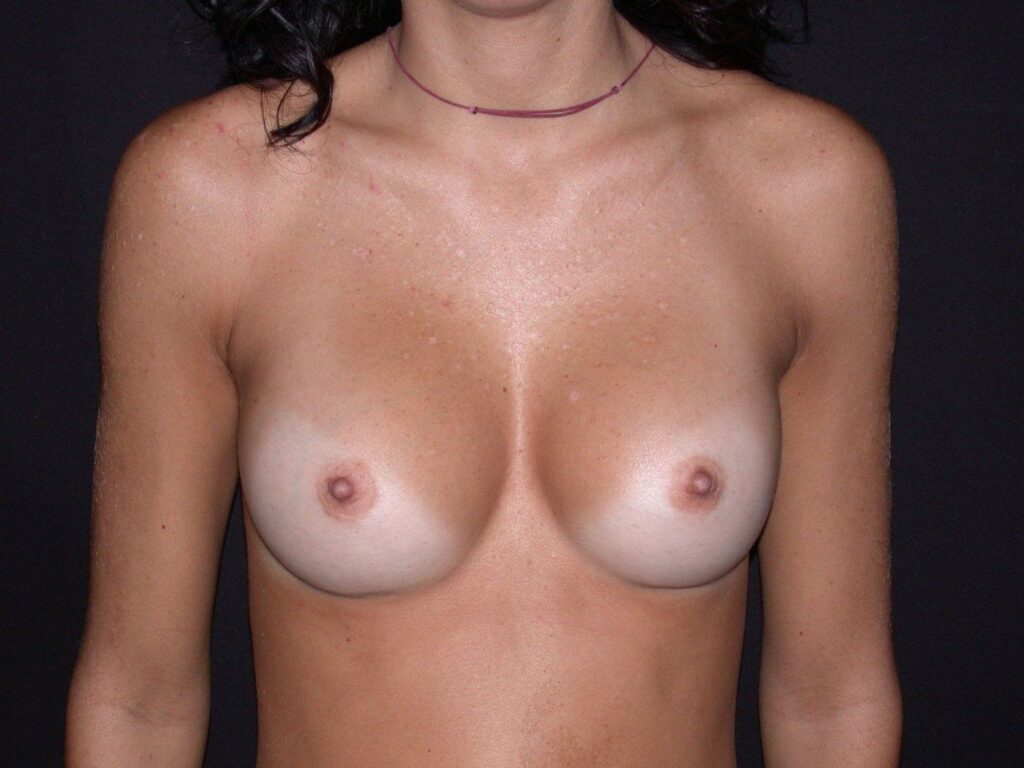
Submuscular breast augmentation.
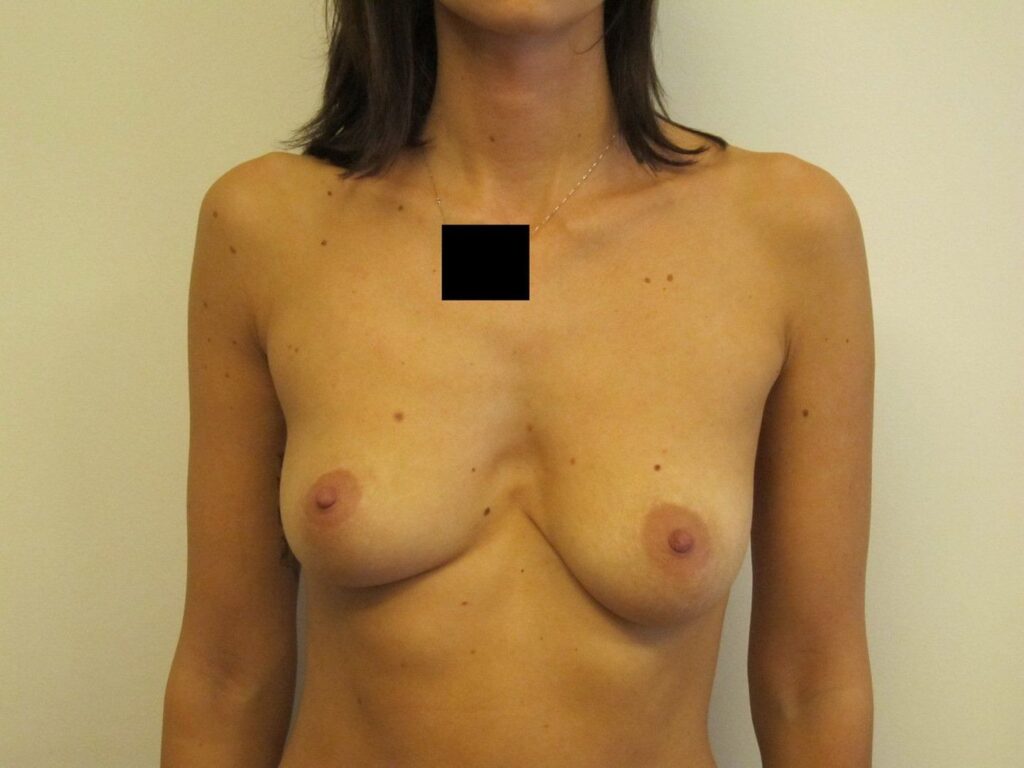
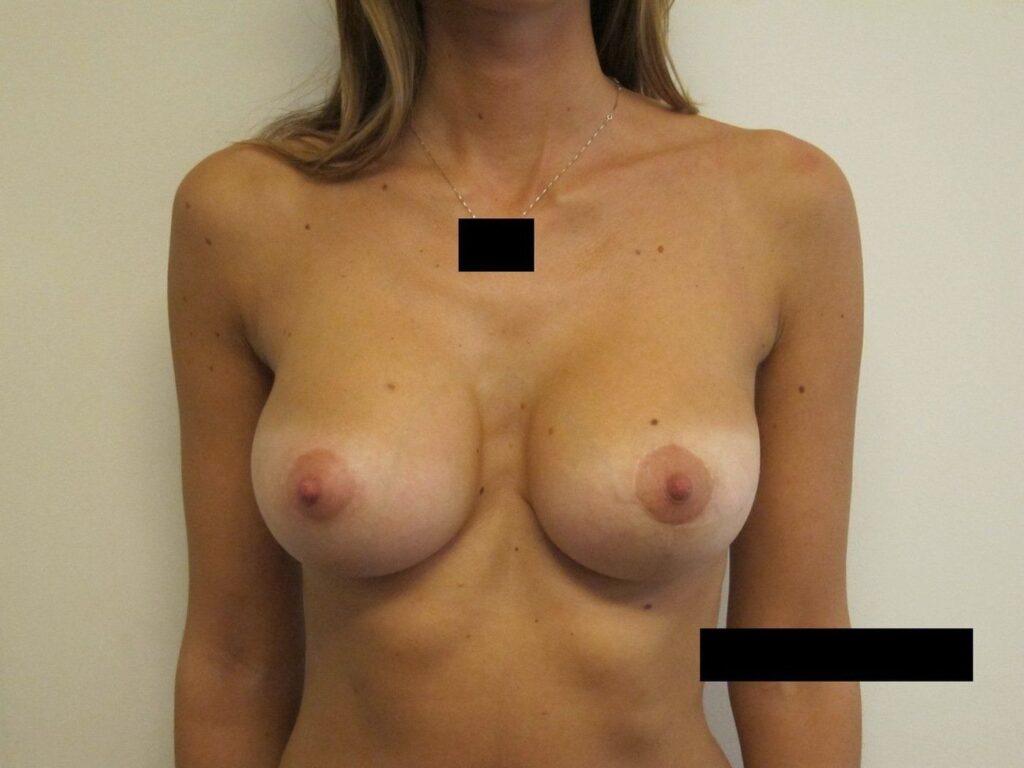
Breast augmentation with left breast lift.
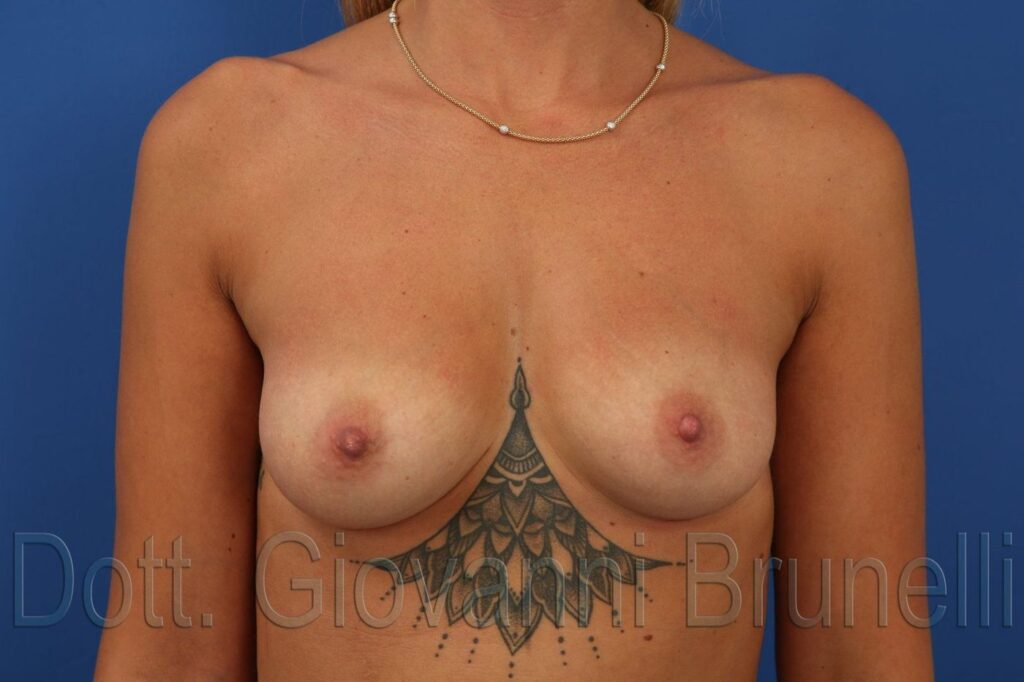
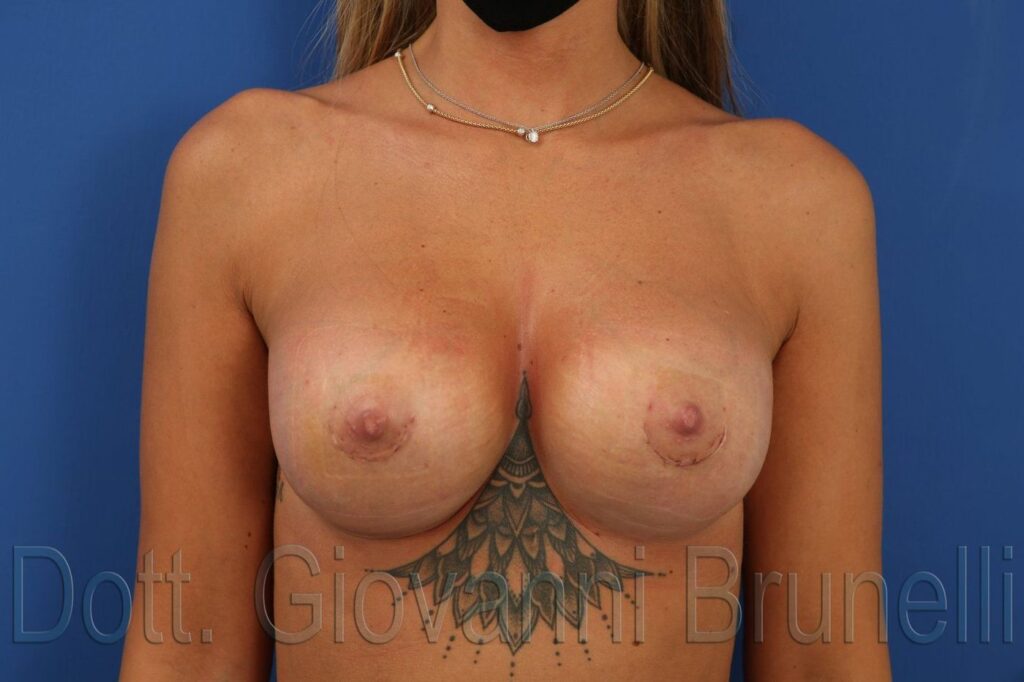
Subglandular breast augmentation.